
 English

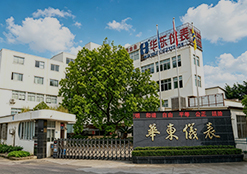


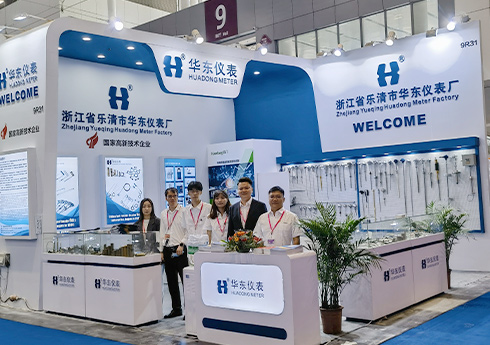
Huadong: Established in 1986
Inquiry Us Now

Product Category
Contact Us
Thermocouple plug
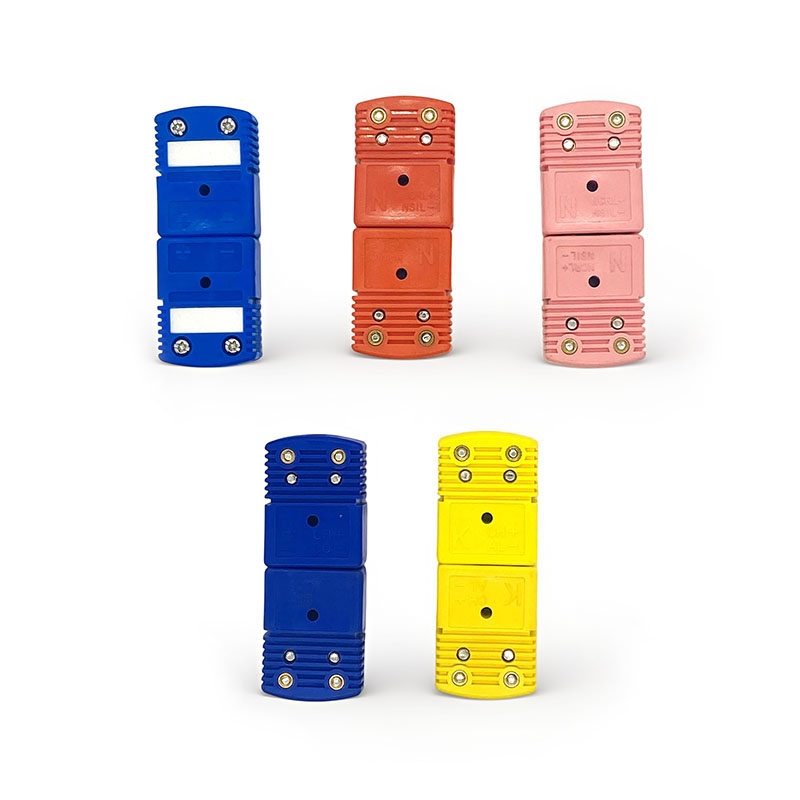
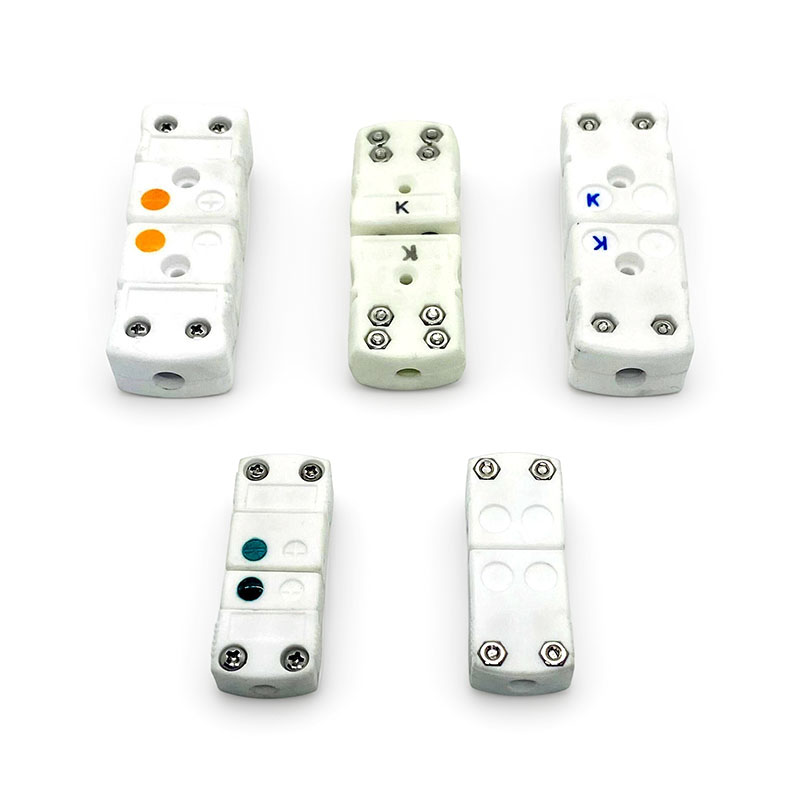
Thermocouple plugs serve as specialized signal connectors linking thermocouple probes, compensation cables, and temperature control instruments. Available in male (plug) and female (jack/socket) versions, they utilize alloy pins matching the specific thermocouple calibration type to transmit thermoelectric potential signals, thereby eliminating signal deviation and temperature measurement drift. Options include Type K (yellow), Type J (black), Type T (blue), and Type E (purple). The pins feature a polarity-keyed design to prevent incorrect insertion (reverse polarity), which would otherwise cause measurement errors.
Housing materials include high-temperature engineering plastics and ceramics; pins are made from alloys matching the original thermocouple materials (e.g., NiCr-NiSi, Copper-Constantan), ensuring no additional thermoelectric errors are introduced.
Applications for thermocouple plugs include:
1. Injection molding hot runner industry (key application)
Facilitates the connection and disconnection of hot nozzle thermocouples and manifold temperature probes; allows for quick plug-and-play thermocouple replacement during mold maintenance without replacing the entire temperature sensing line, significantly saving on after-sales maintenance time.
2. Laboratories and precision testing equipment
Used for wiring connections in precision constant-temperature equipment, temperature data loggers, and portable temperature measuring instruments.
Technical support for thermocouple plug selection
We recommend the appropriate plug type—mini, standard, or ceramic—based on the customer's thermocouple model, operating temperature, and installation space (such as tight hot runner areas), while also distinguishing between fixed-mount and panel-mount versions.
Available as part of a complete package including thermocouples, hot runner heaters, and compensation cables, enabling one-stop procurement for temperature sensing and heating components, thereby reducing purchasing and coordination costs.
Pins utilize matching thermocouple alloys to prevent parasitic electromotive force (EMF), ensuring stable temperature readings throughout the process and eliminating issues like erratic temperature fluctuations or inaccuracies, thus safeguarding injection molding product quality.
The positive and negative pins differ in size, allowing for only one-way insertion; this prevents reverse connections even when handled by inexperienced workshop staff, reducing equipment commissioning errors.
An internal elastic locking mechanism ensures tight contact even after over 100,000 mating cycles, preventing loosening or intermittent signal loss during frequent mold maintenance and disassembly. The plastic version withstands high-temperature radiant heat near the mold, while the ceramic version is suitable for surfaces operating at higher temperatures; the insulated housing prevents electrical leakage, ensuring stable, long-term operation in the oily and smoky environments typical of injection molding workshops.
Damaged thermocouples can be replaced via a simple plug-and-play mechanism—eliminating the need for wire stripping or soldering—which significantly reduces production line downtime and boosts manufacturing efficiency.
Available in a comprehensive range of calibration types, sizes, and temperature ratings, these units are compatible with the vast majority of imported and domestic thermocouples, allowing for seamless, hassle-free replacement.
About Us
Yueqing Huadong Instrument And Meter Factory
Huadong Instrument and Meter Factory was established in 1986 and is located at the south foot of Yandang Mountain, a famous national tourist scenic spot, beside National Highway 104, 60 kilometers away from Wenzhou Airport, 3 minutes from the railway station, with convenient transportation and communication.
After nearly 40 years of accumulation and development, with the joint efforts of all employees, our factory has become the only supplier for the development, production, and sales of industrial automation equipment in the national instrument industry, with an annual production capacity of 150 sets of tooling equipment in various industries, and the production of "HY" series gun drilling (deep drilling) machine, polishing machine, core exposing machine, cutting straightening machine, locking machine, and multi-function argon arc welding machine, filling several industry gaps and greatly improving the level of industry automation.
Our factory mainly produces various series and specifications of temperature sensors, armored thermocouple cables, hot runner mold electric heaters, armored heating cables, thermocouple compensation wires (copper coating), special equipment for the temperature instrument industry, and also provides a variety of temperature measuring elements, installation casings, and accessories.
Our factory has a strong team of technical experts and well-trained employees, with sophisticated production equipment, advanced technology, and complete testing equipment. All products are produced according to international standards, with stable and reliable performance. Our products are sold to large and medium-sized enterprises in more than 20 provinces and cities across the country, and are exported to Europe, the Middle East, and Southeast Asian countries, with a good corporate image and reputation.
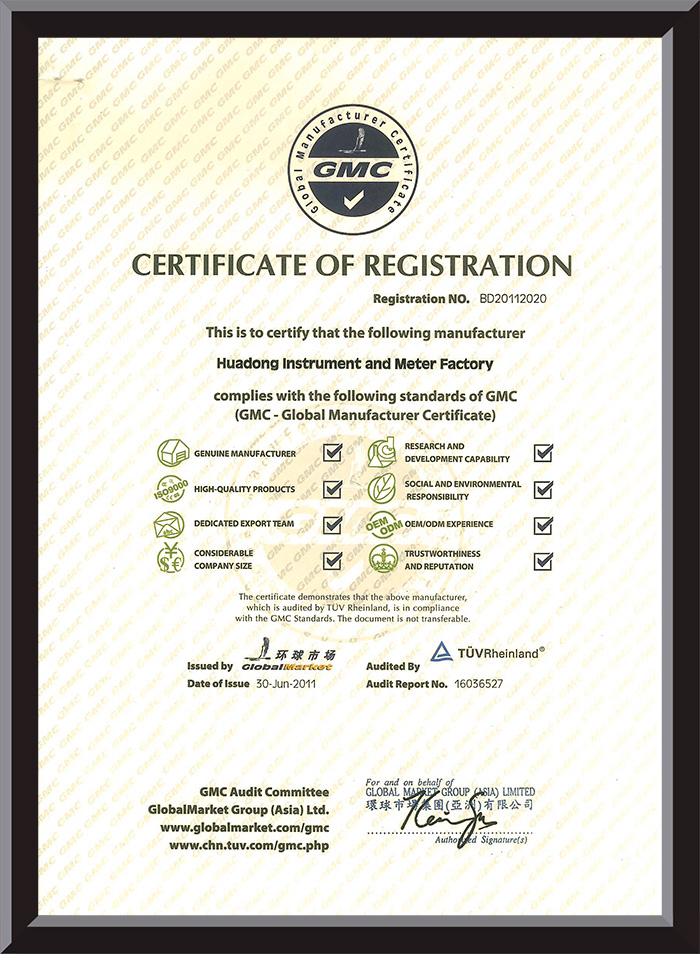
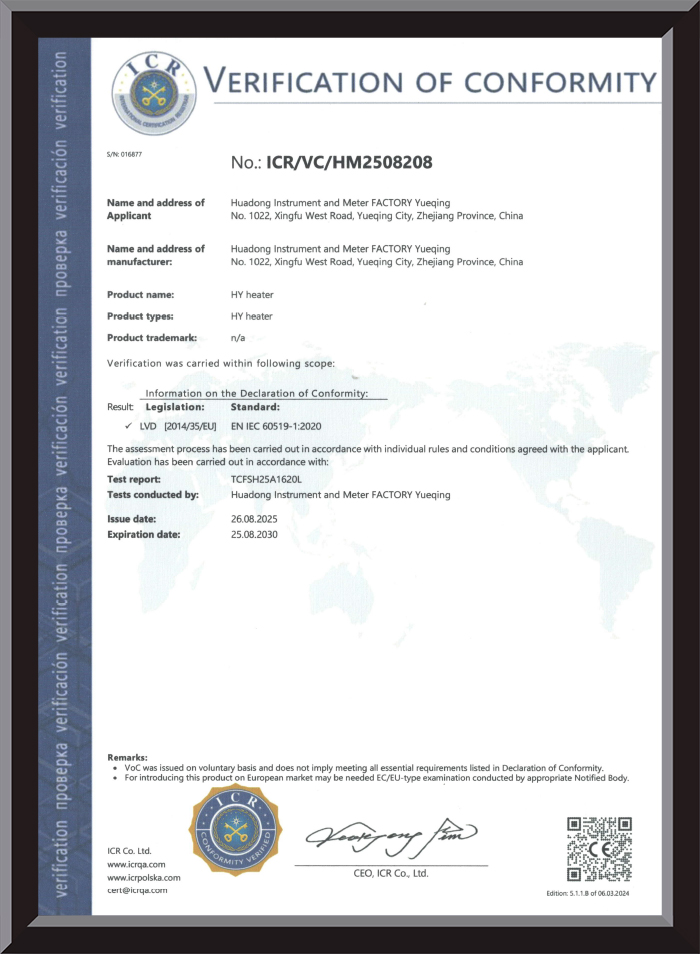
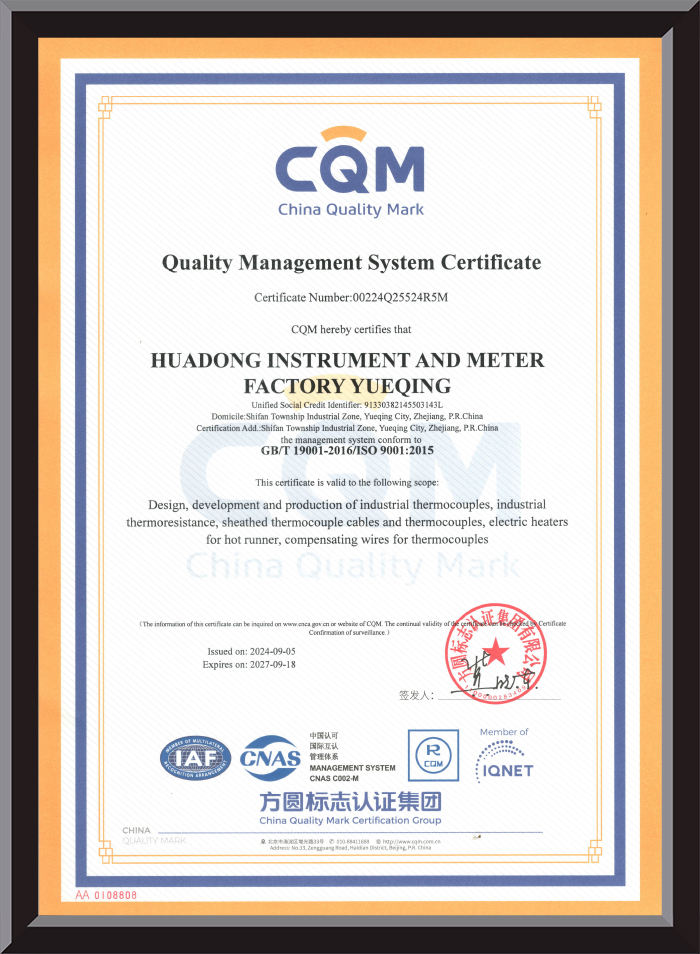
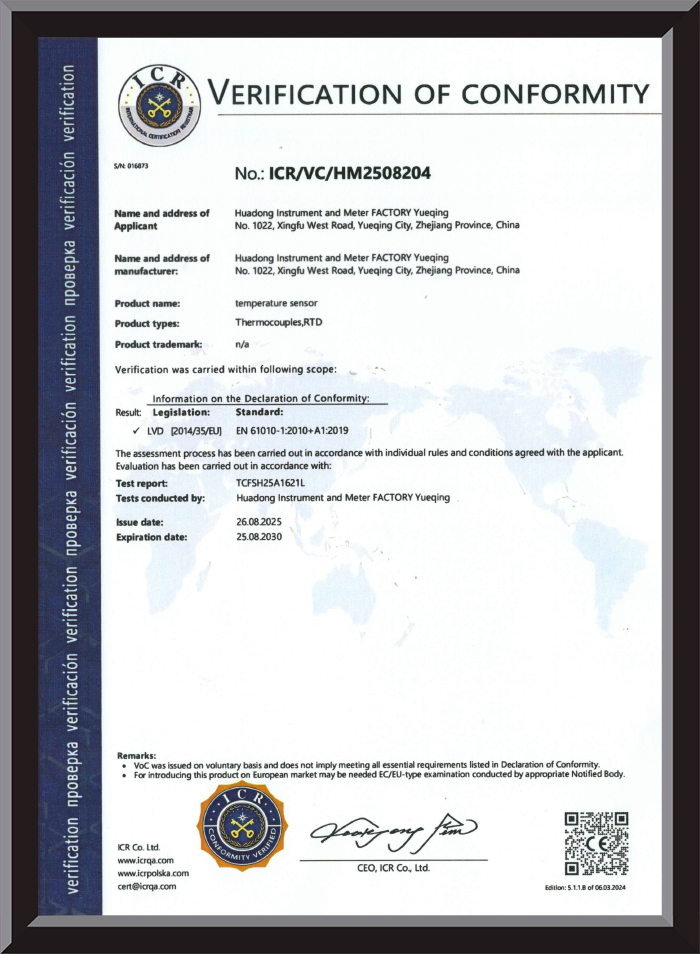
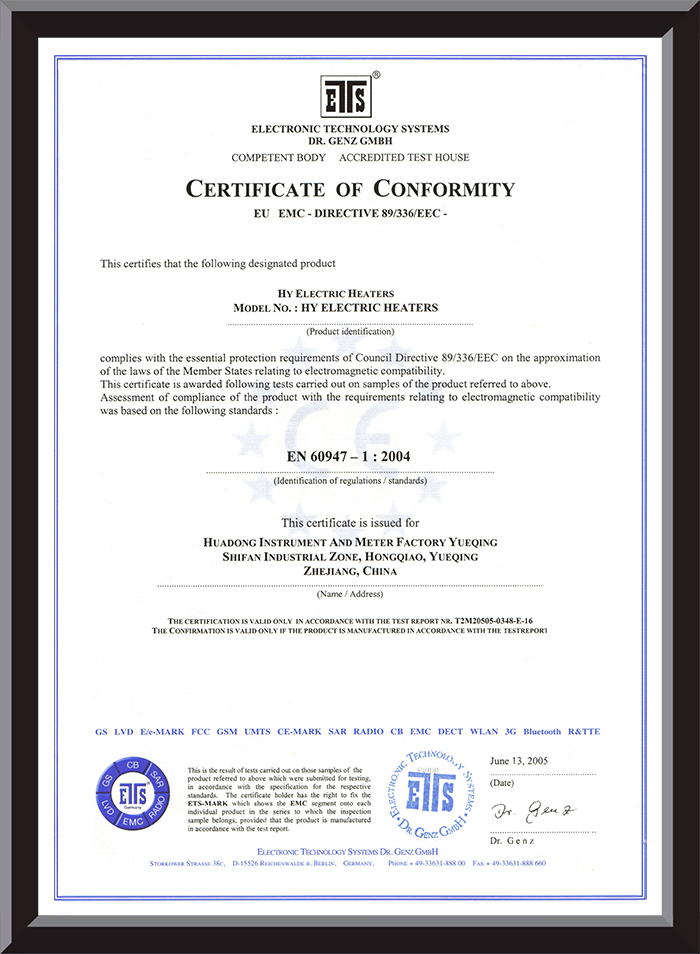
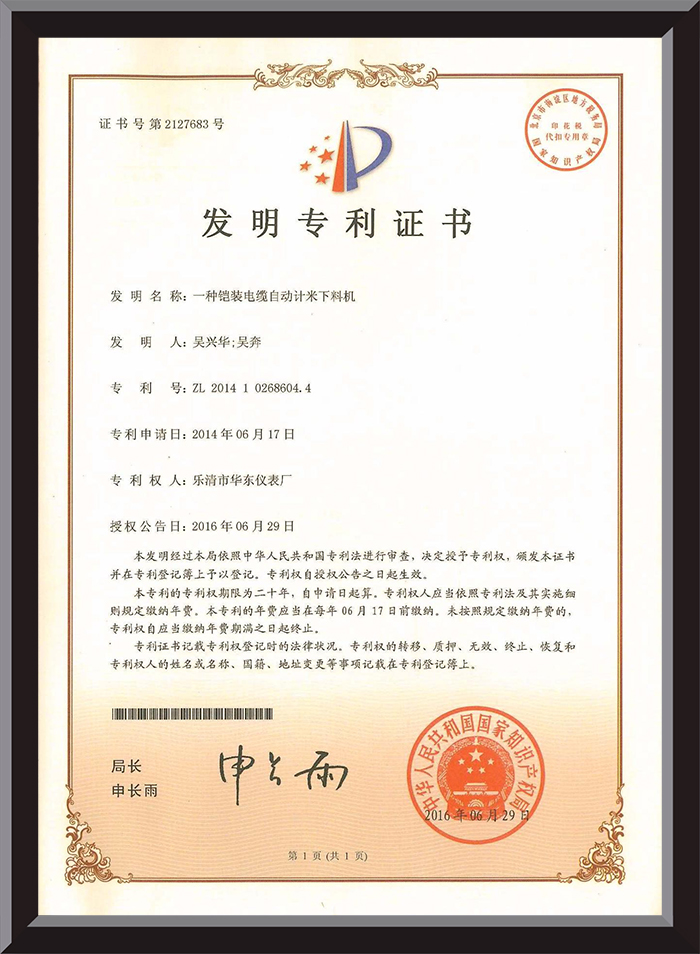
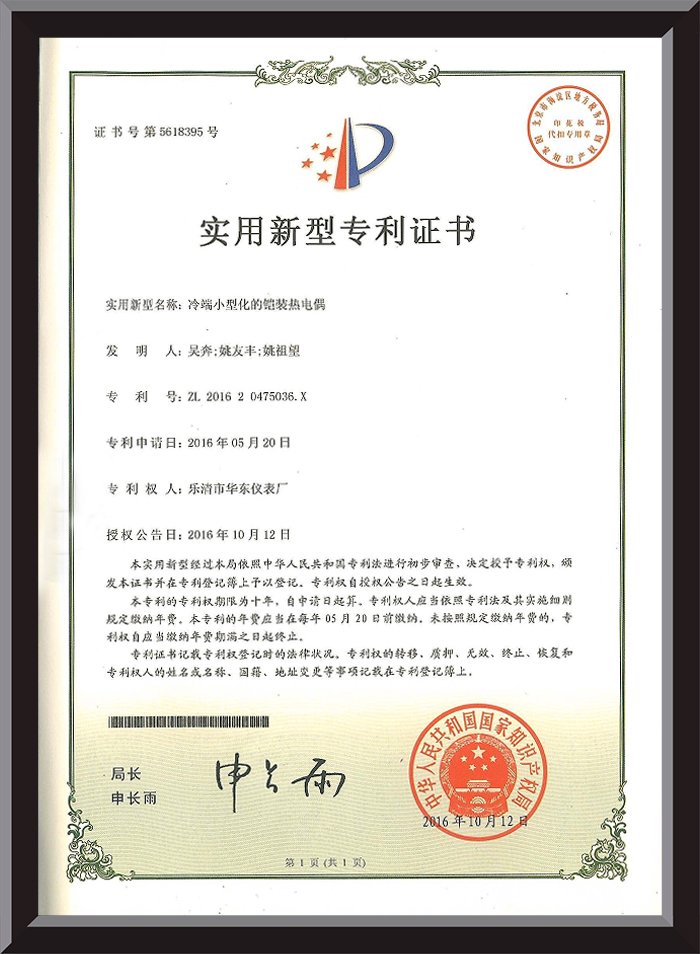
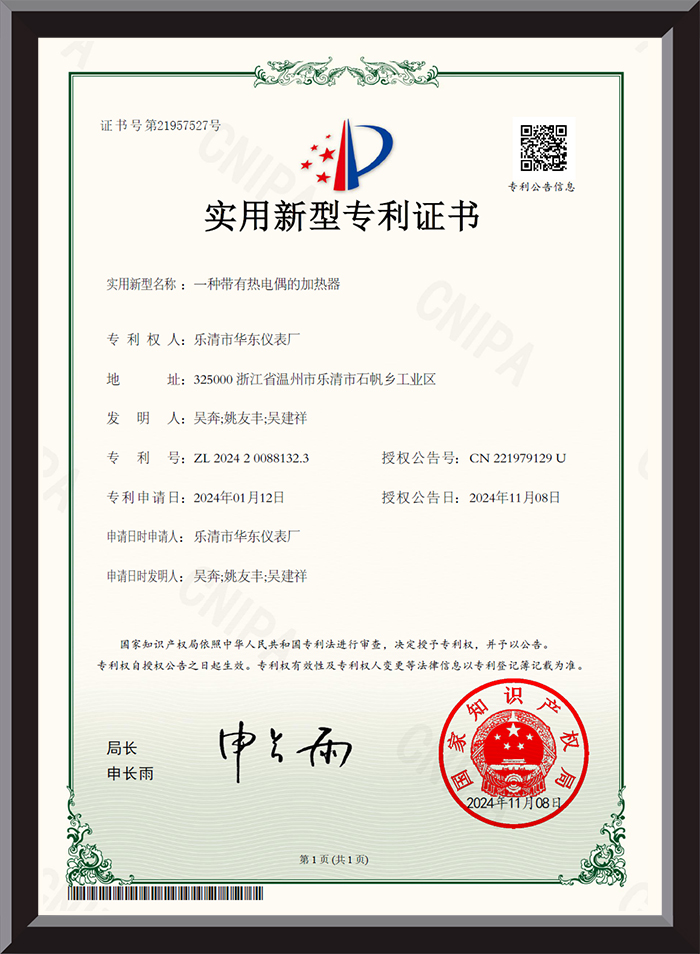
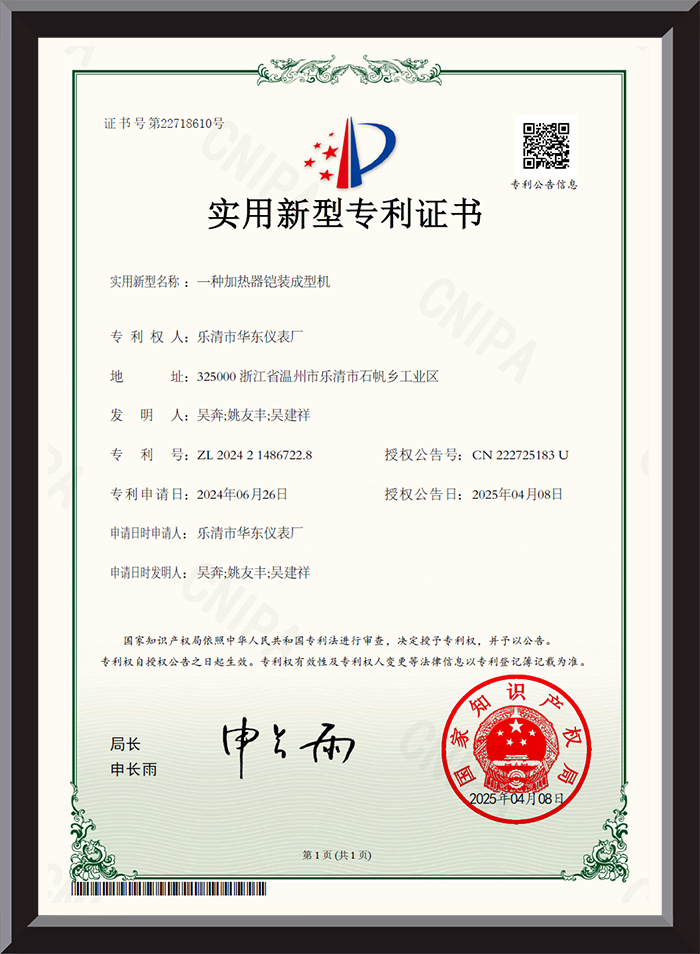
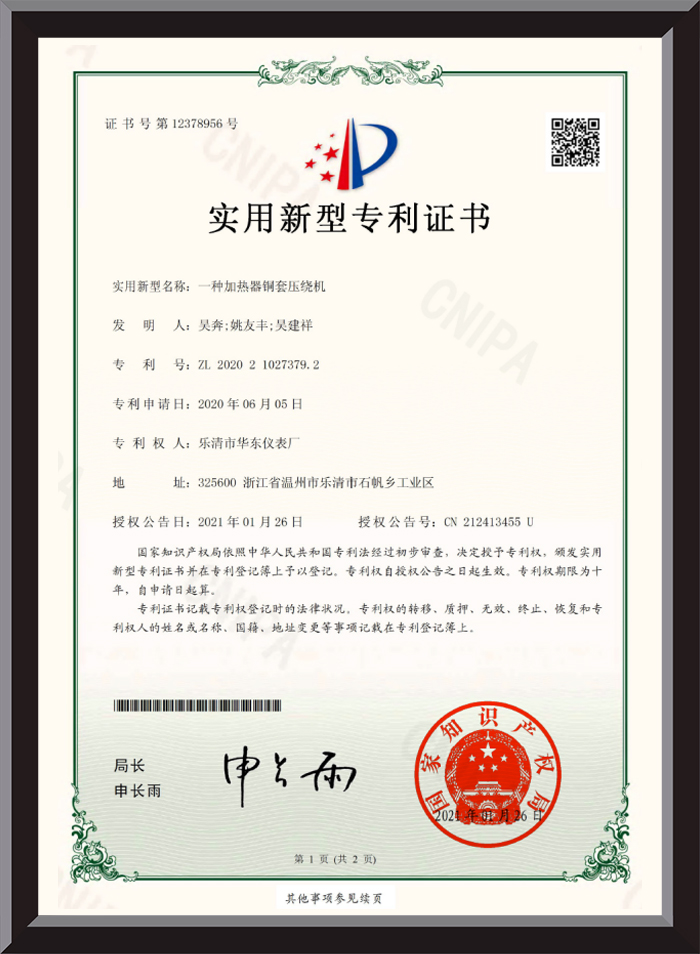
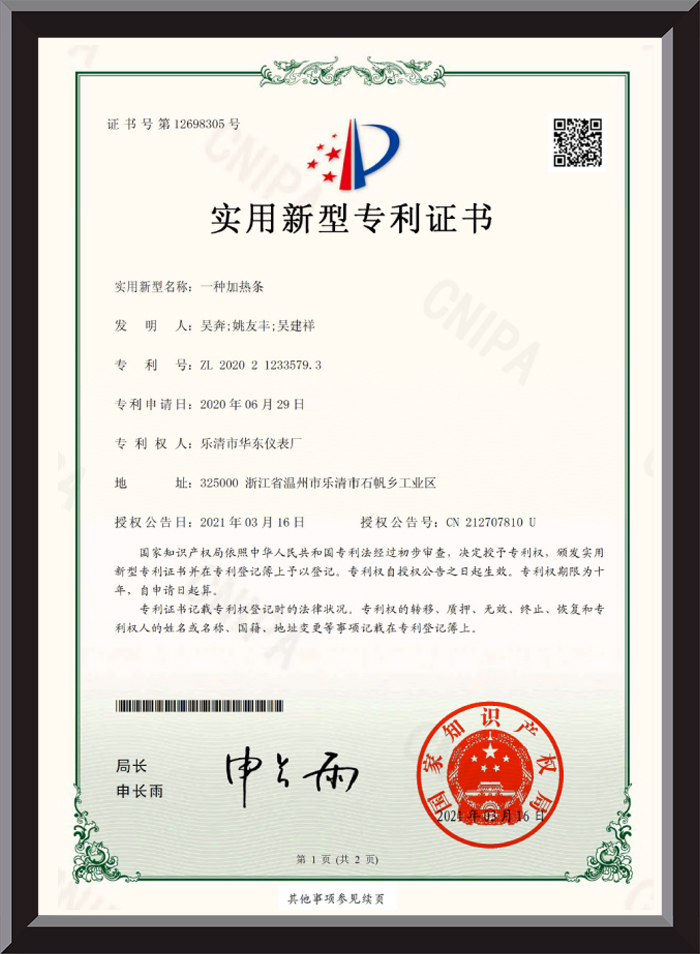
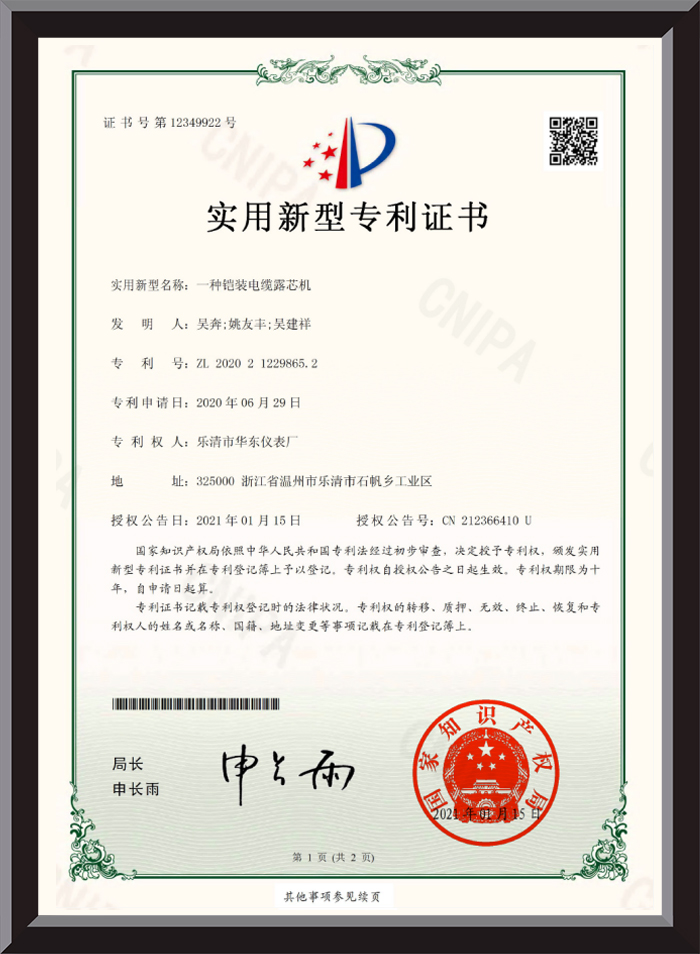
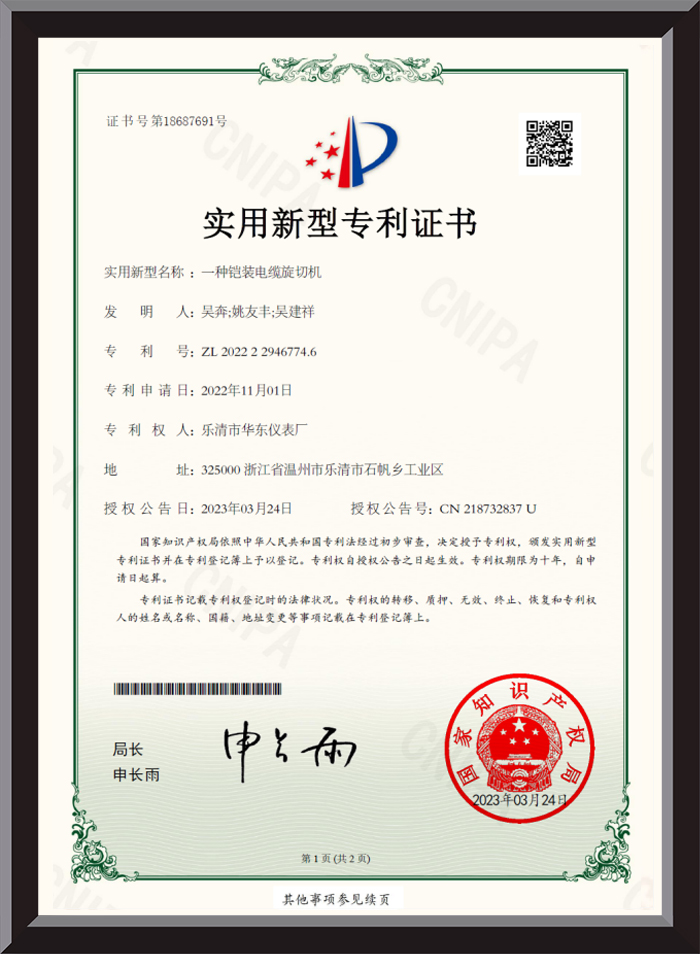
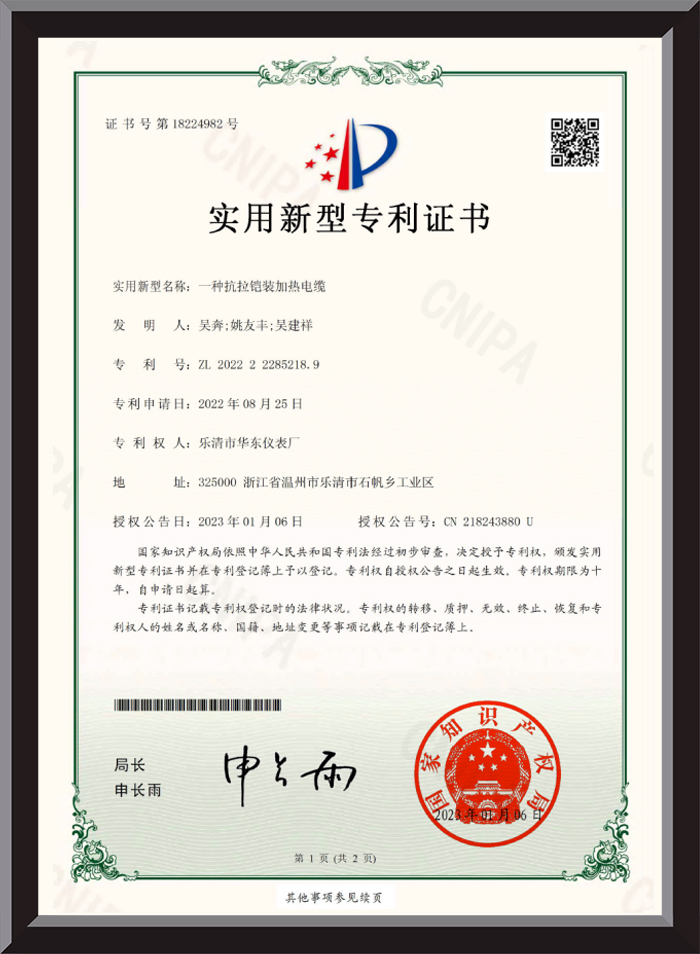
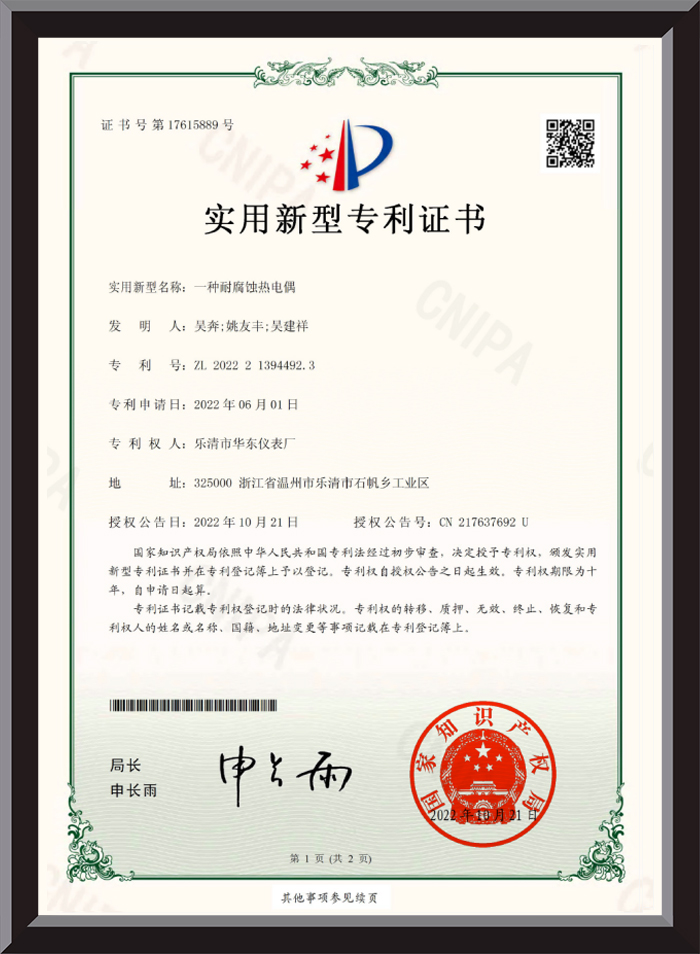
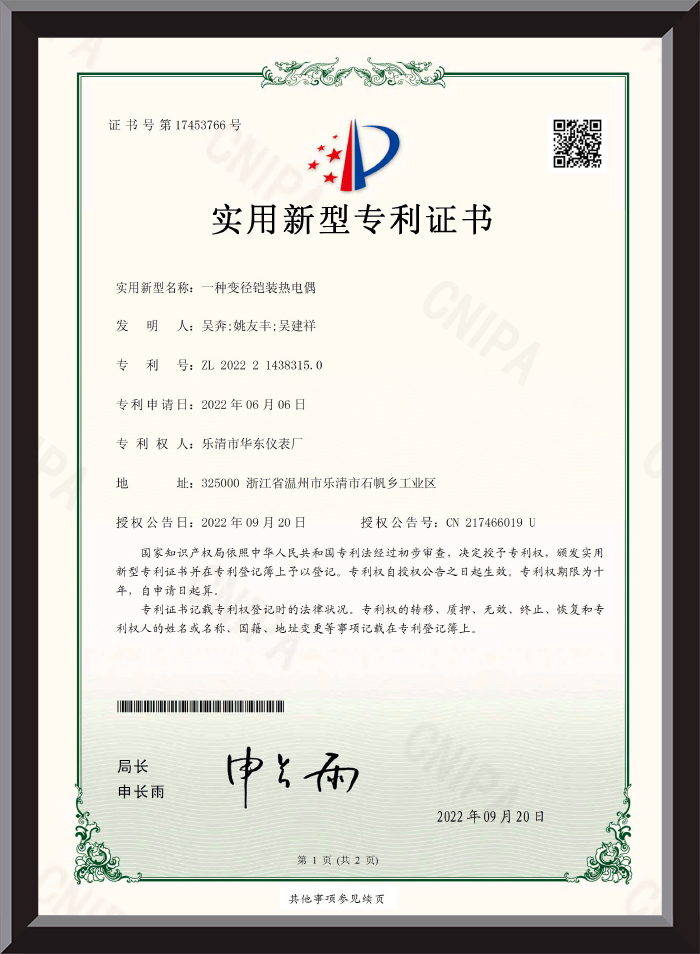
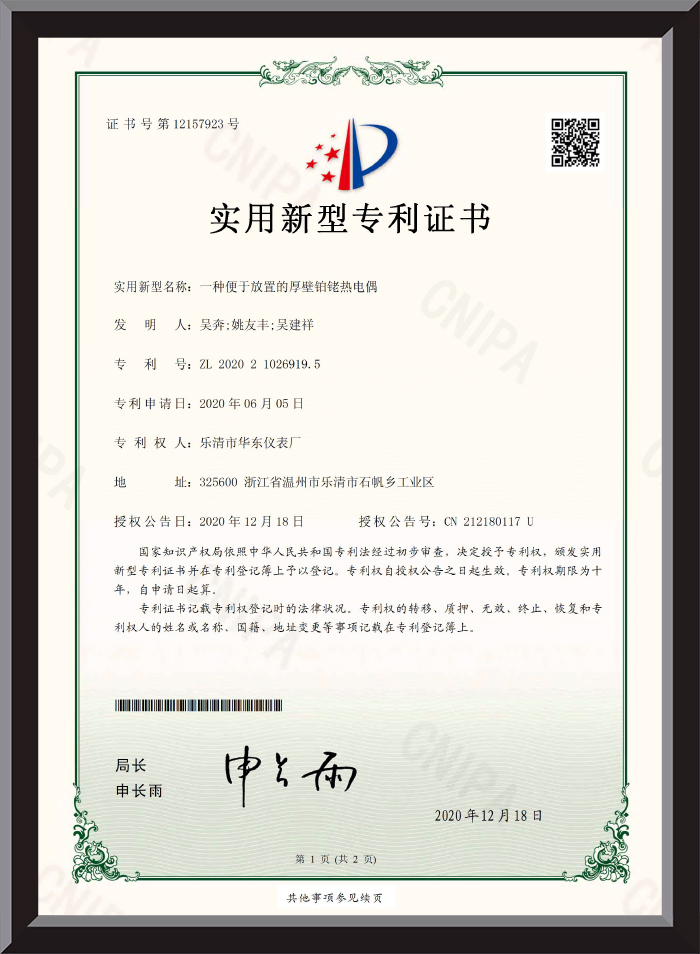
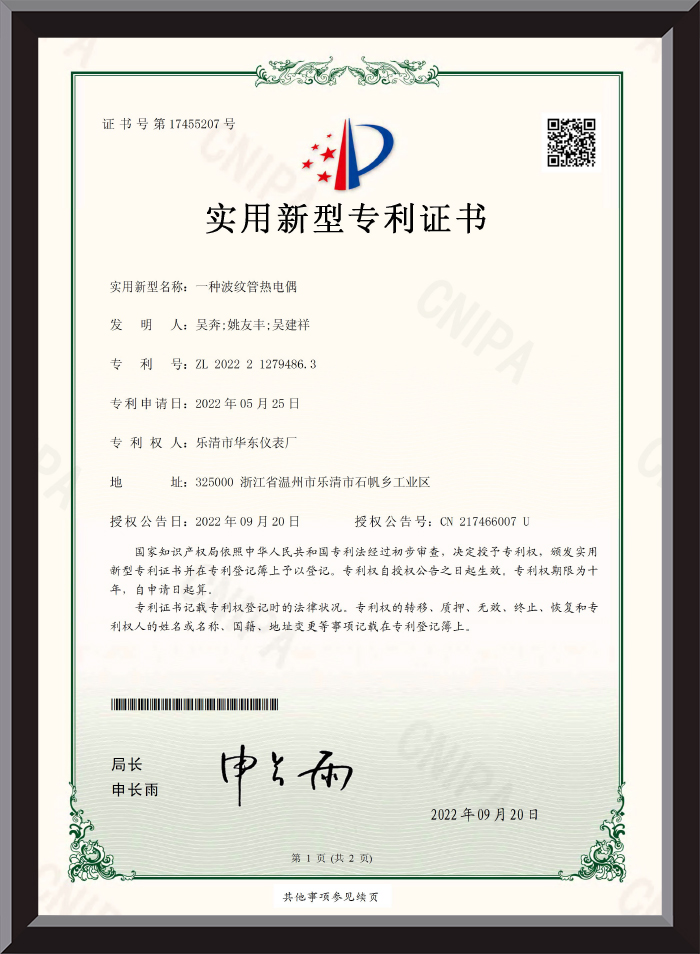
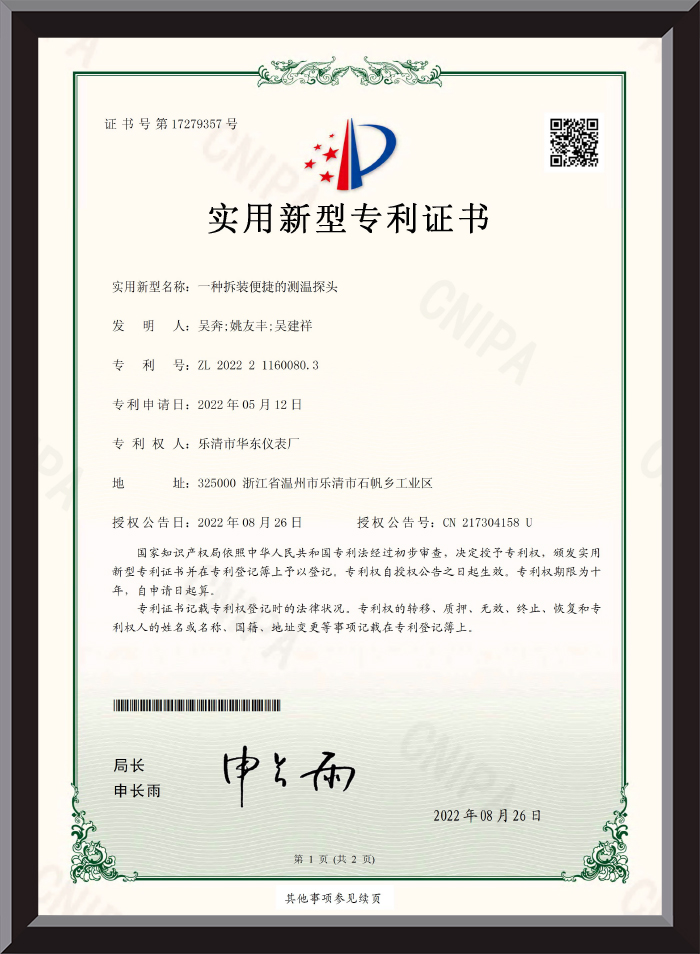
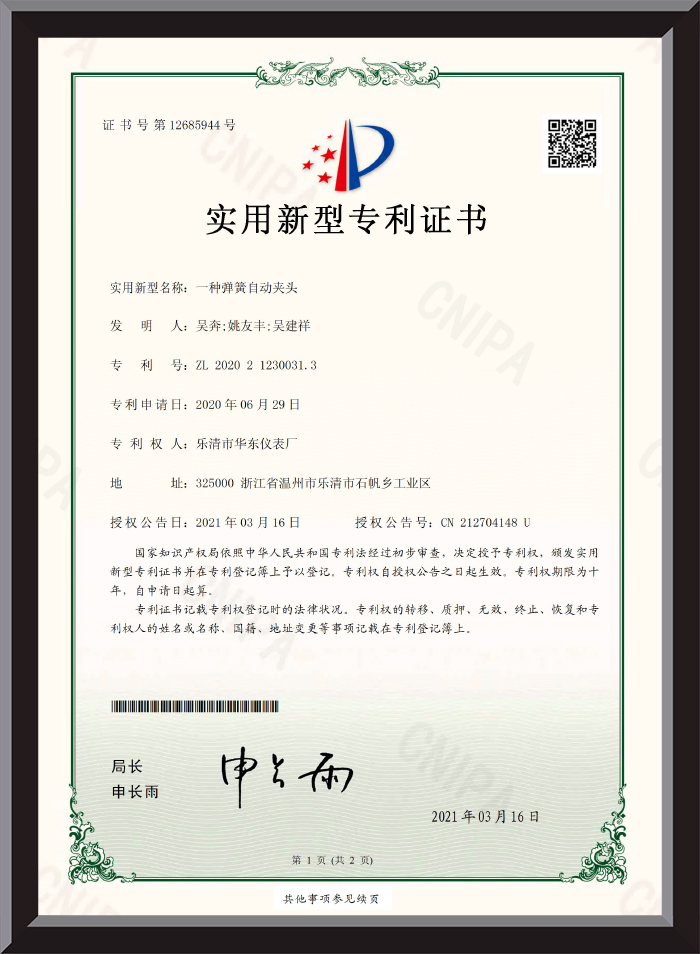
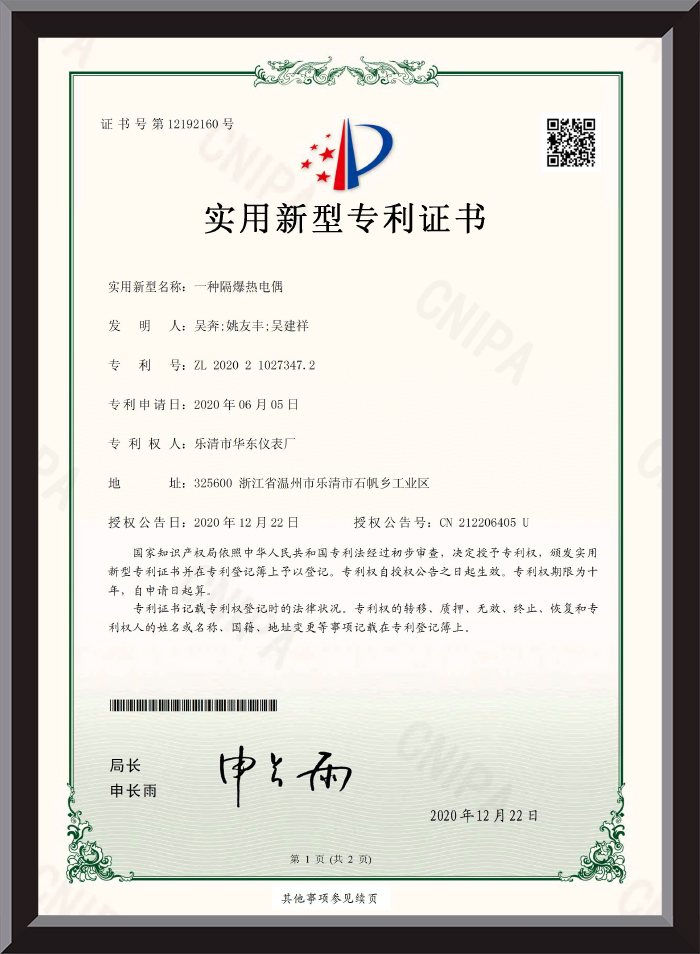
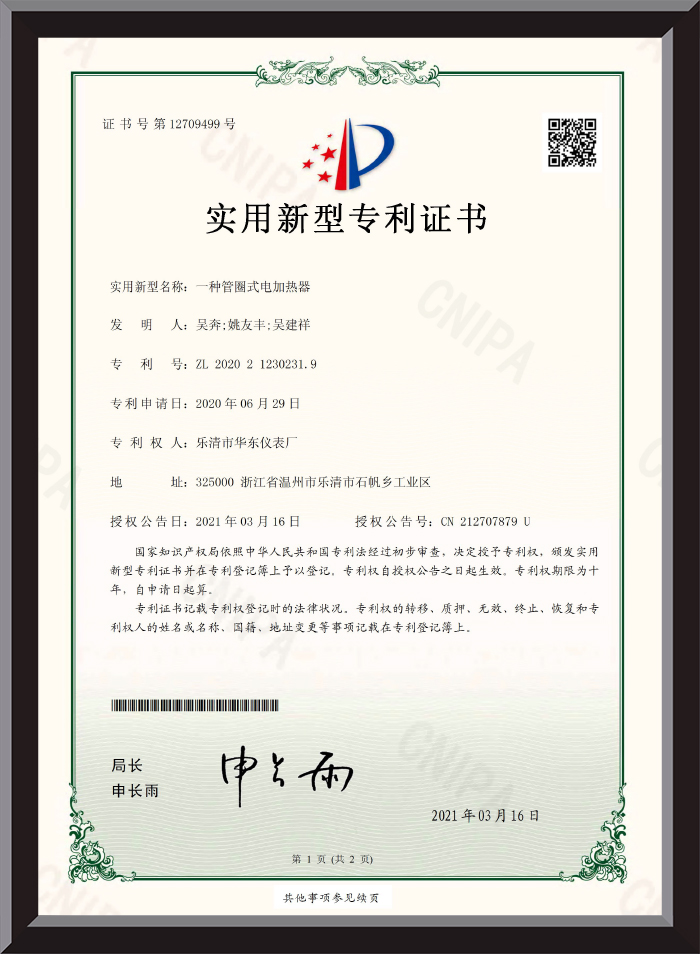
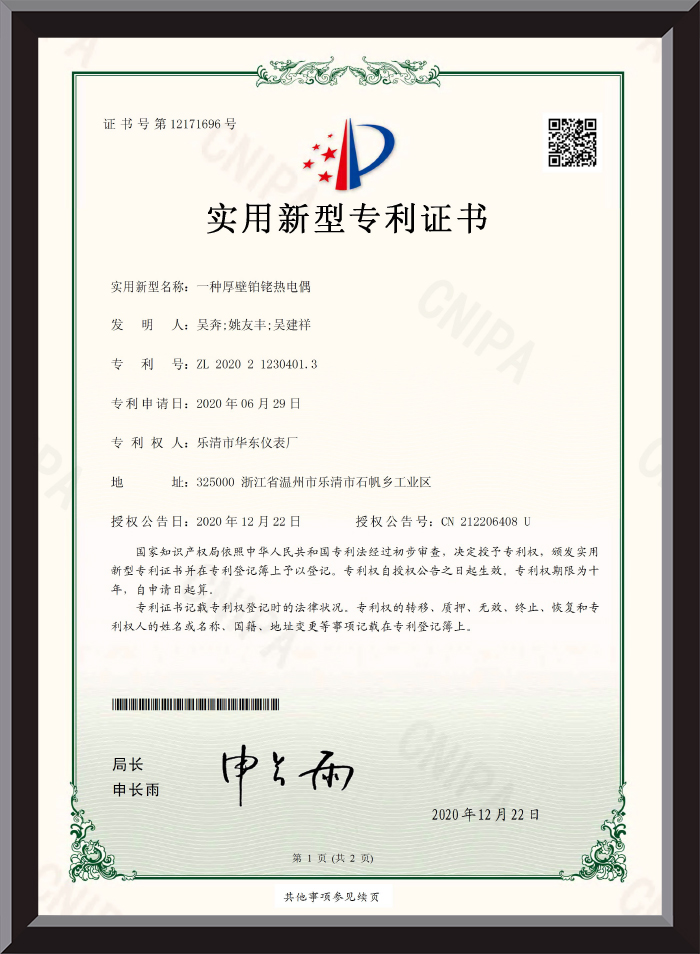
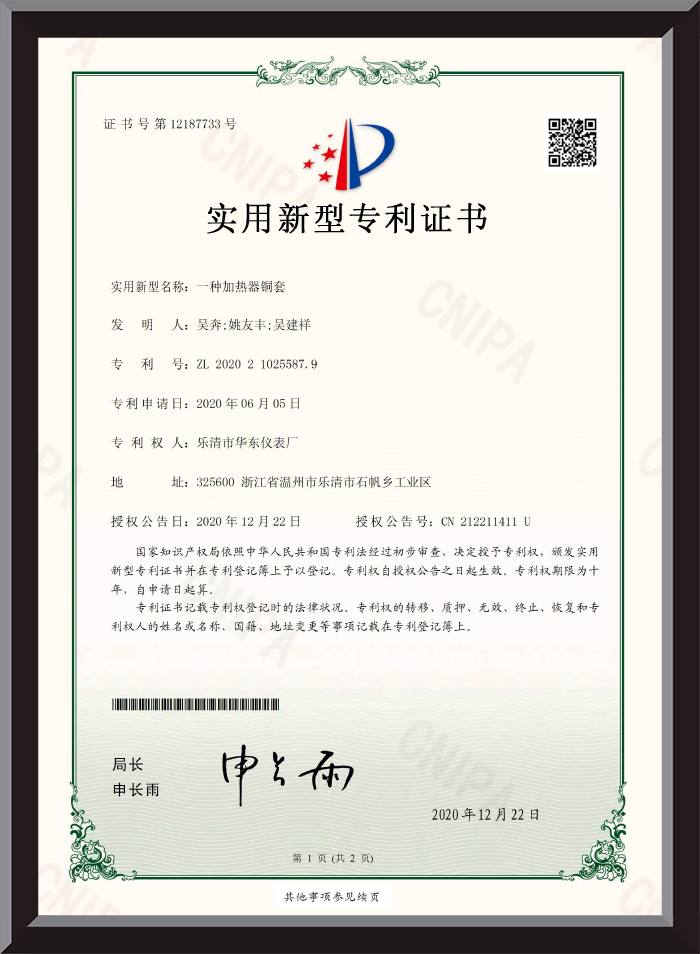
During the past decades, we have based on "pioneering and innovative, pragmatic and passionate work", adhered to the "integrity and win-win" business philosophy, to challenge themselves and innovate, take the road of specialization, independent intellectual property rights, access to nearly 30 China invention patents, utility model patent certificate of nearly, and enjoy the CE, ISO19001: 2015 international quality management system certification.
Huadong upholds "The customer is supreme, quality first" and provides better products to the world and the industry, to improve our quality, to improve our services, and to develop with our customers and industry. Our target is to create a united, cooperative, mutually beneficial enterprise and establish a bright future!
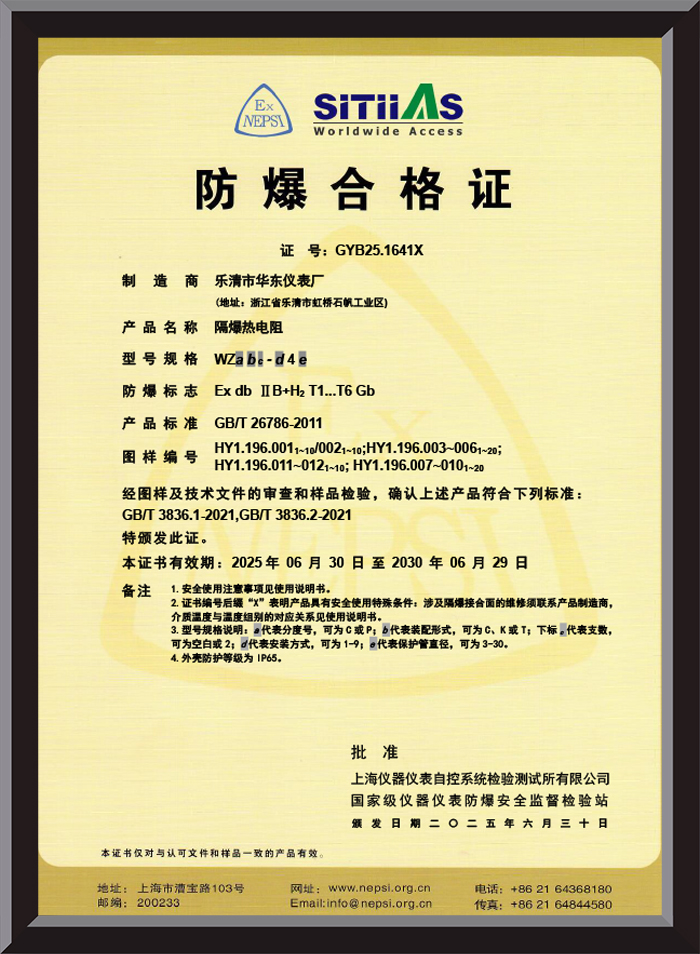
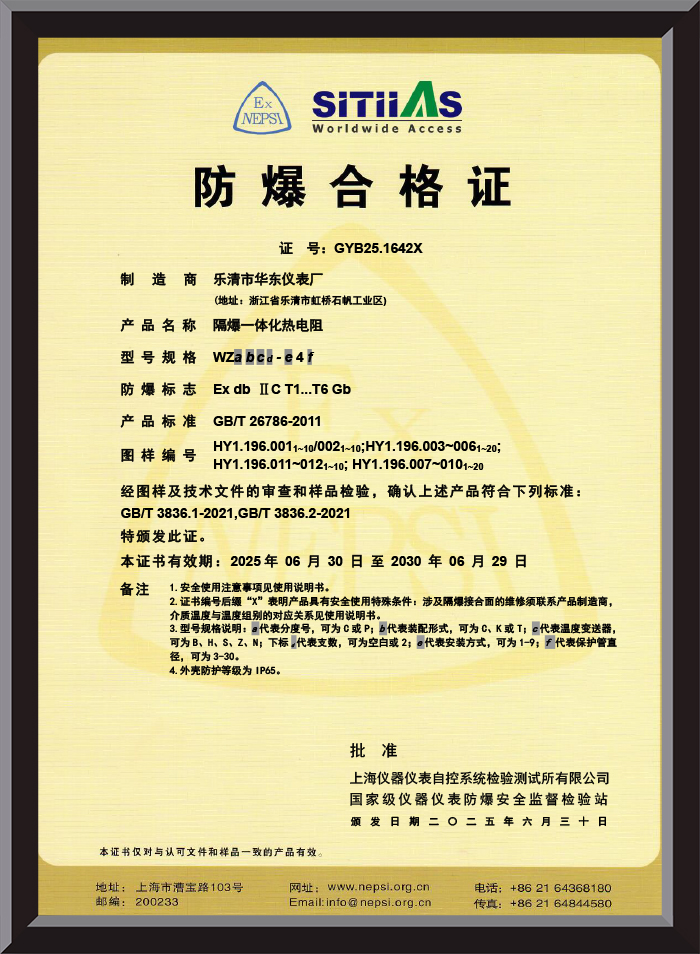
Certificate of Honor
Thermocouple plug Industry knowledge

Our factory mainly produces various series and specifications of temperature sensors, armored
thermocouple cables, hot runner mold electric heaters, armored heating cables, thermocouple compensation
wires (copper-coated), and special equipment for the temperature instrument industry.
-
 +86-0577-62312532
-
 ben@china-h.com
sales03@china-h.com -
 Hongqiao Shifan Industrial Zone, Yueqing City, Zhejiang, China
Let's Work Together
Copyright © Yueqing Huadong Instrument And Meter Factory
All Rights Reserved.
