
 English

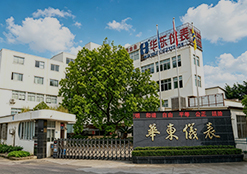


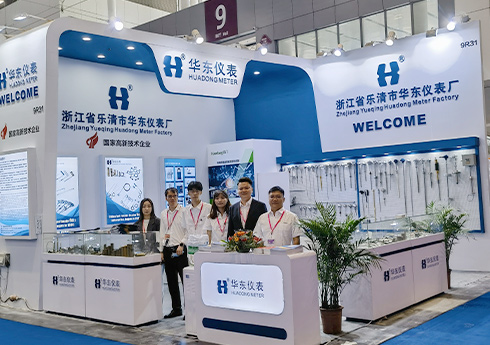
Huadong: Established in 1986
Inquiry Us Now

Product Category
Contact Us
Cable-type Thermocouples、RTDs
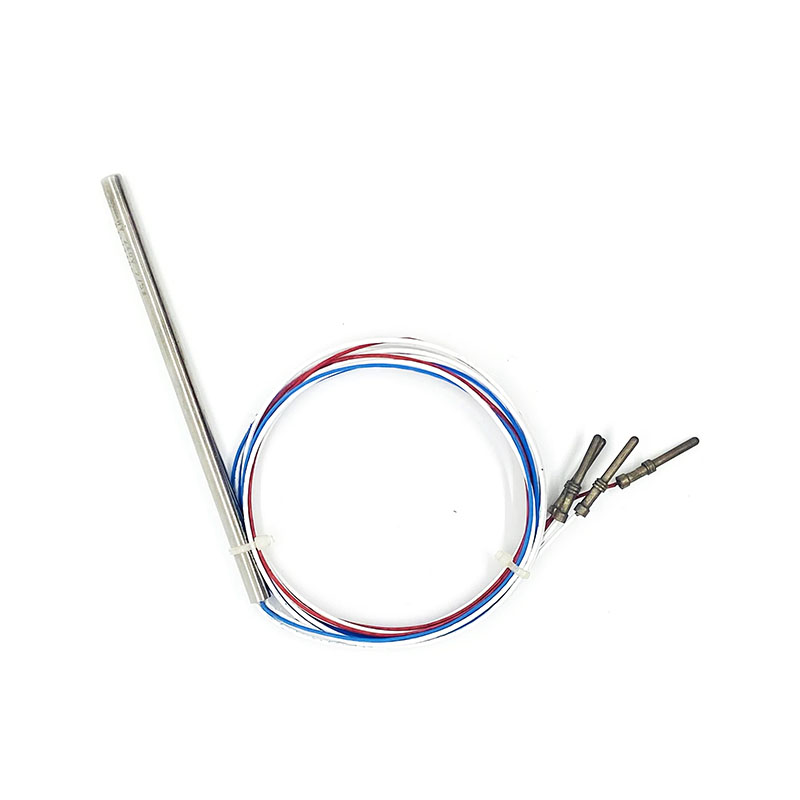
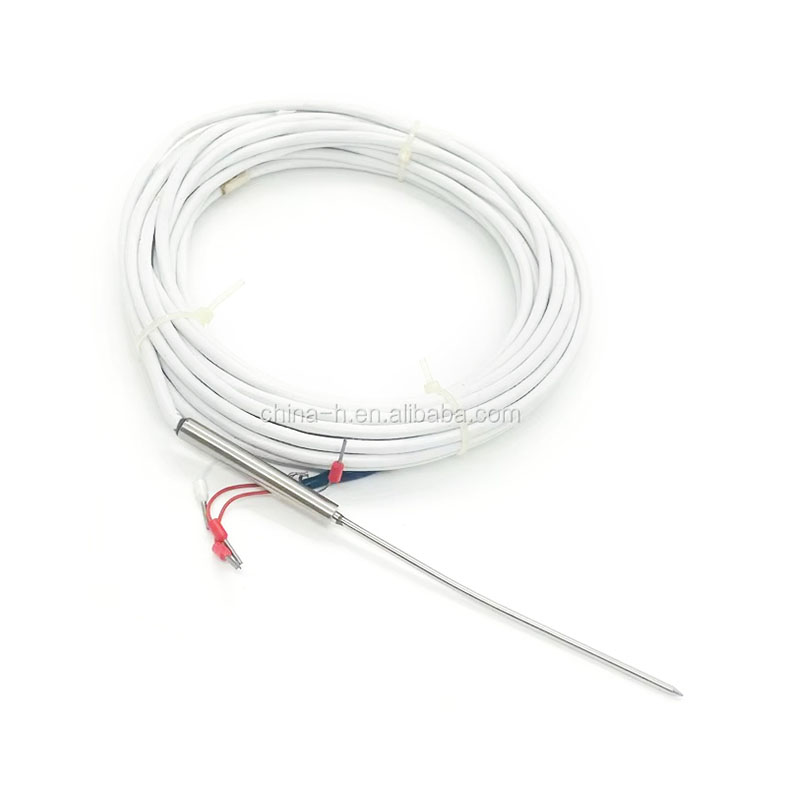
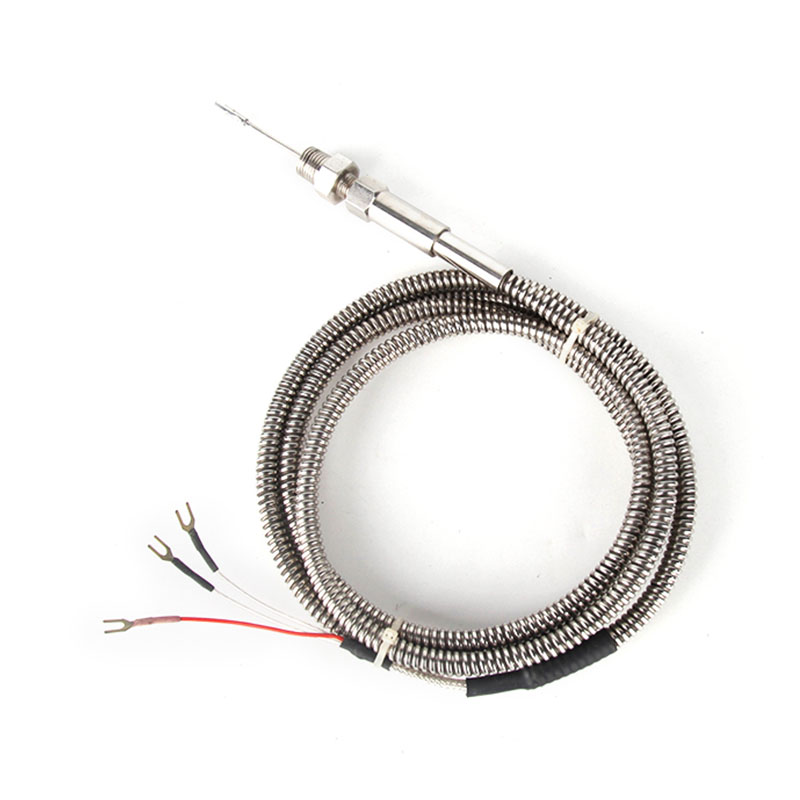
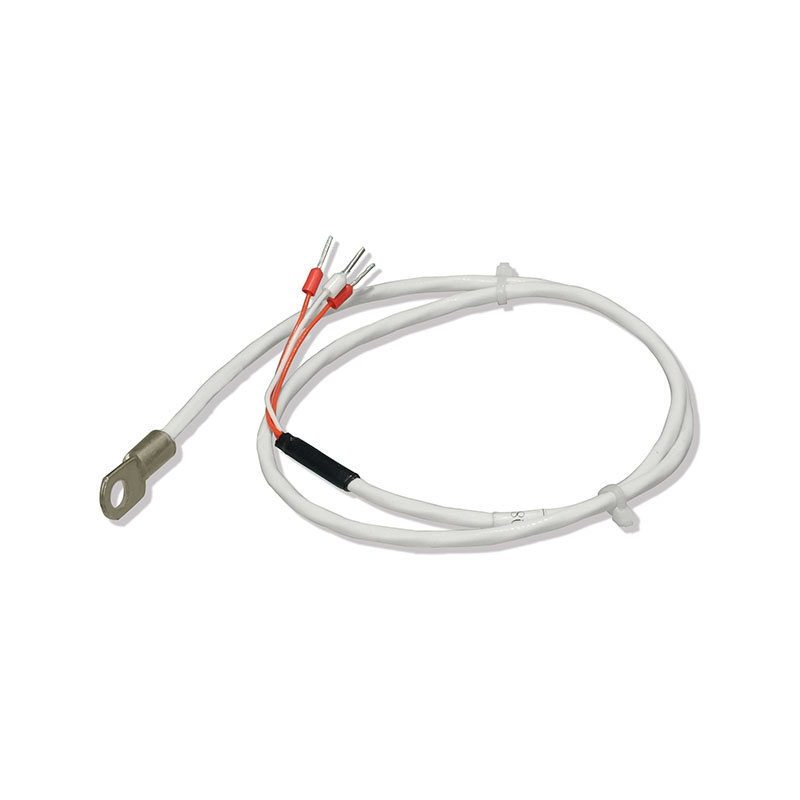
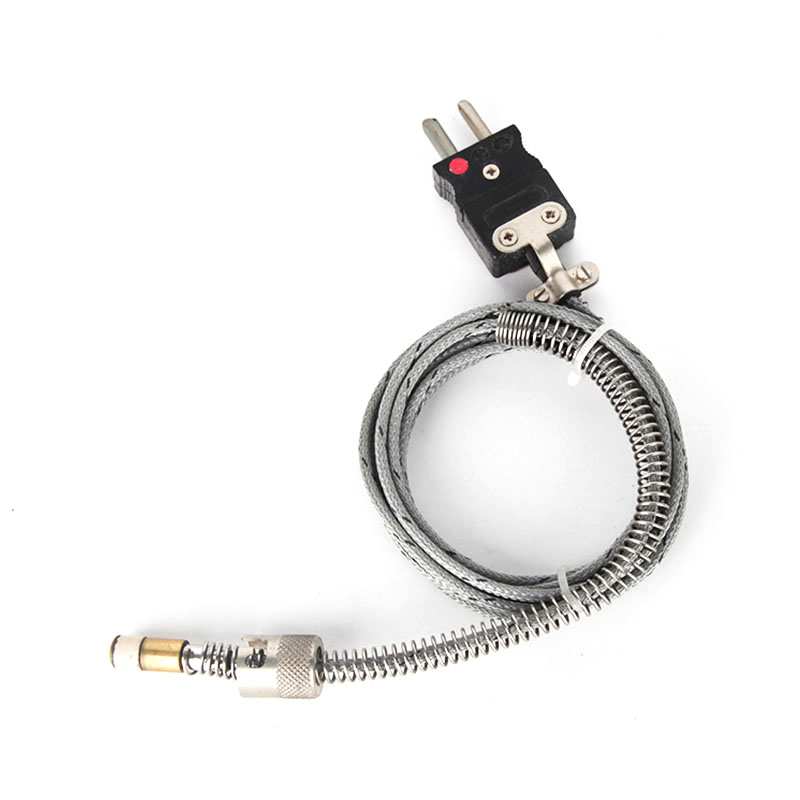
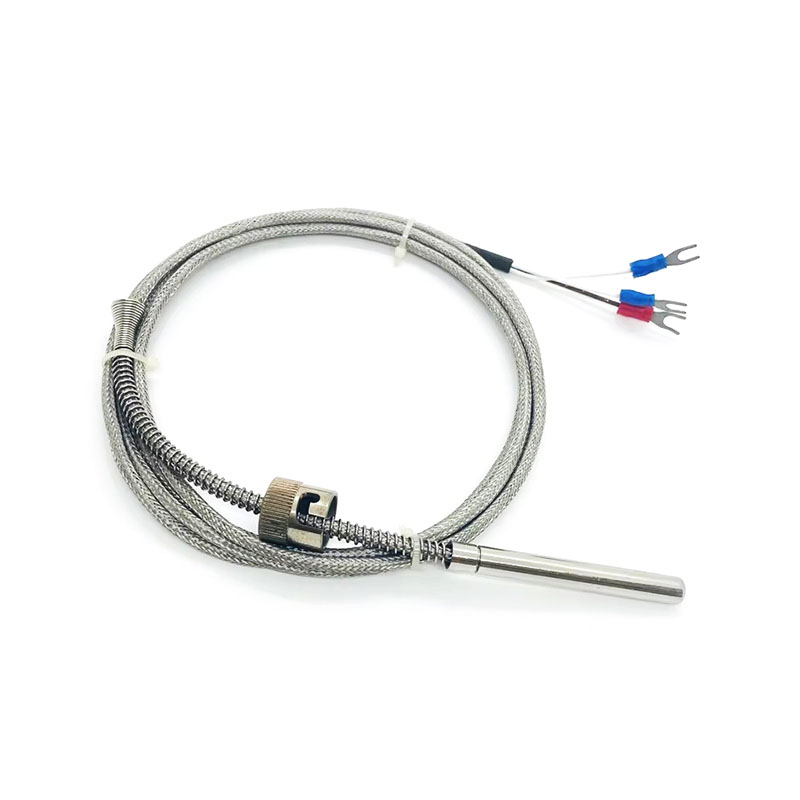
These cable-style thermocouples and RTDs feature a fully flexible cable structure paired with an ultra-fine temperature-sensing probe. The cables can be bent, coiled, and routed freely, overcoming limitations imposed by equipment structure, installation space, or pipeline obstructions. They can reach temperature-sensing points inaccessible to conventional sensors, such as narrow gaps, internal cavities, equipment interlayers, and curved pipelines. Installation is effortless, requiring no threaded holes, flange bolting, or equipment welding. The products can be directly attached to the measurement surface, suspended, embedded, or strapped in place.
Cable-connected thermocouples: Available in common calibration types such as K, E, J, and T, with a temperature range of -20°C to 1200°C. They offer a wide operating range, high-temperature resistance, and thermal shock resistance. Suitable for dynamic high-temperature applications—such as industrial drying, heating, kilns, and heat treatment—they maintain stability during rapid temperature cycling.
Cable-connected RTDs: Primarily featuring mainstream Pt100 and Pt1000 models, these sensors offer customizable cable lengths and probe dimensions. With a temperature range of -50°C to 600°C, they provide high resistance linearity, minimal measurement error, and excellent repeatability. Designed for precision temperature measurement in low-to-medium and ambient temperature ranges, they ensure long-term data stability without drift, making them ideal for precision temperature control, constant-temperature monitoring, and laboratory applications.
Standard specifications include high-temperature resistant, flame-retardant, and shielded cables (with custom length options available). Cables utilize temperature-resistant and corrosion-proof materials—such as fiberglass, Teflon, and silicone rubber—offering flame retardancy, aging resistance, resistance to minor abrasion, and durability against temperature cycling, ensuring suitability for long-term use in standard industrial environments. They support long-distance signal transmission without cabling length constraints. The shielded cable structure effectively resists industrial electromagnetic and electric field interference, preventing signal distortion and data fluctuations. RTDs utilize 3-wire or 4-wire configurations to perfectly compensate for lead wire resistance, further enhancing measurement accuracy; thermocouples use specialized compensation lead wires to ensure data precision over long distances, making them suitable for large-scale distributed temperature monitoring in workshops.
About Us
Yueqing Huadong Instrument And Meter Factory
Huadong Instrument and Meter Factory was established in 1986 and is located at the south foot of Yandang Mountain, a famous national tourist scenic spot, beside National Highway 104, 60 kilometers away from Wenzhou Airport, 3 minutes from the railway station, with convenient transportation and communication.
After nearly 40 years of accumulation and development, with the joint efforts of all employees, our factory has become the only supplier for the development, production, and sales of industrial automation equipment in the national instrument industry, with an annual production capacity of 150 sets of tooling equipment in various industries, and the production of "HY" series gun drilling (deep drilling) machine, polishing machine, core exposing machine, cutting straightening machine, locking machine, and multi-function argon arc welding machine, filling several industry gaps and greatly improving the level of industry automation.
Our factory mainly produces various series and specifications of temperature sensors, armored thermocouple cables, hot runner mold electric heaters, armored heating cables, thermocouple compensation wires (copper coating), special equipment for the temperature instrument industry, and also provides a variety of temperature measuring elements, installation casings, and accessories.
Our factory has a strong team of technical experts and well-trained employees, with sophisticated production equipment, advanced technology, and complete testing equipment. All products are produced according to international standards, with stable and reliable performance. Our products are sold to large and medium-sized enterprises in more than 20 provinces and cities across the country, and are exported to Europe, the Middle East, and Southeast Asian countries, with a good corporate image and reputation.
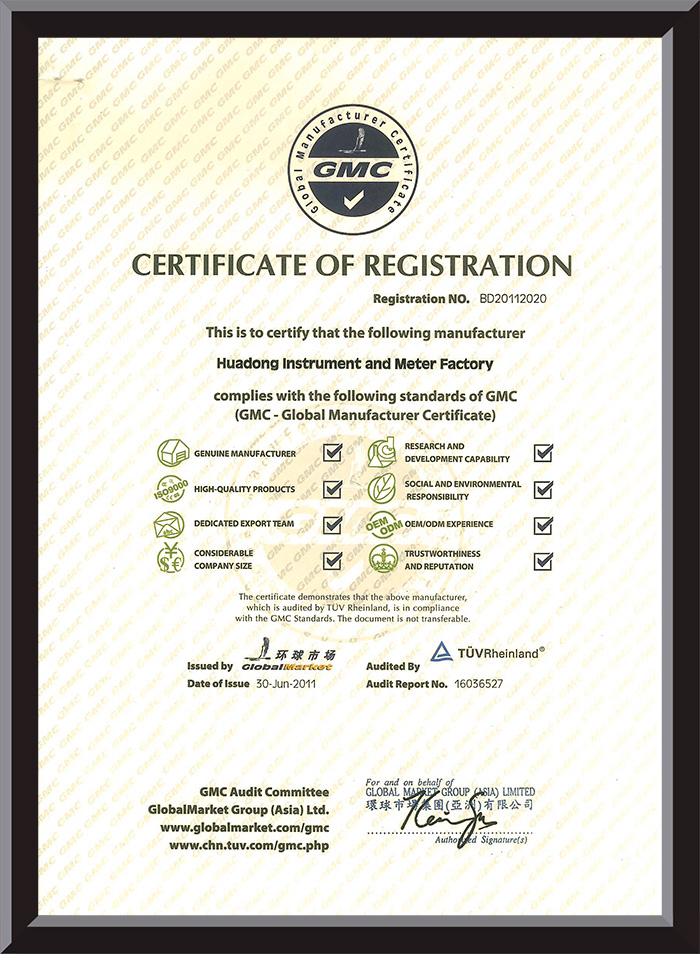
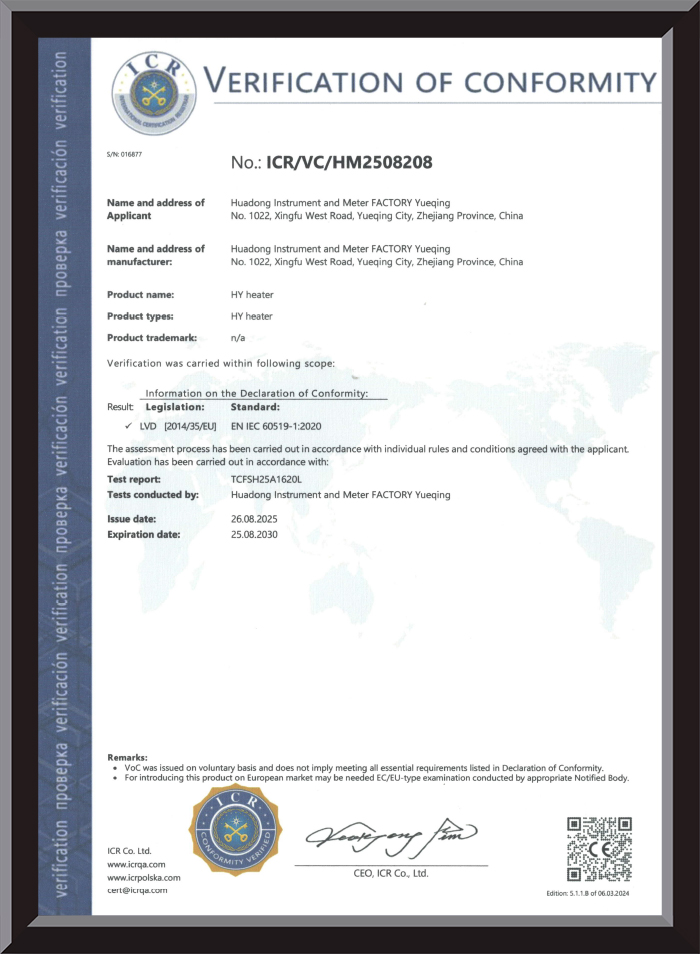
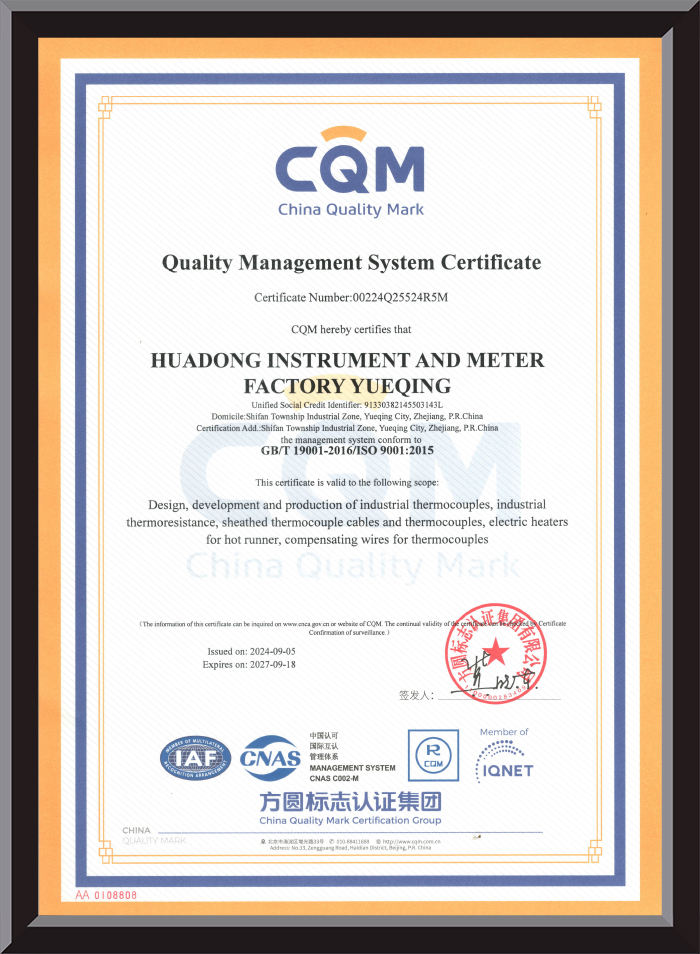
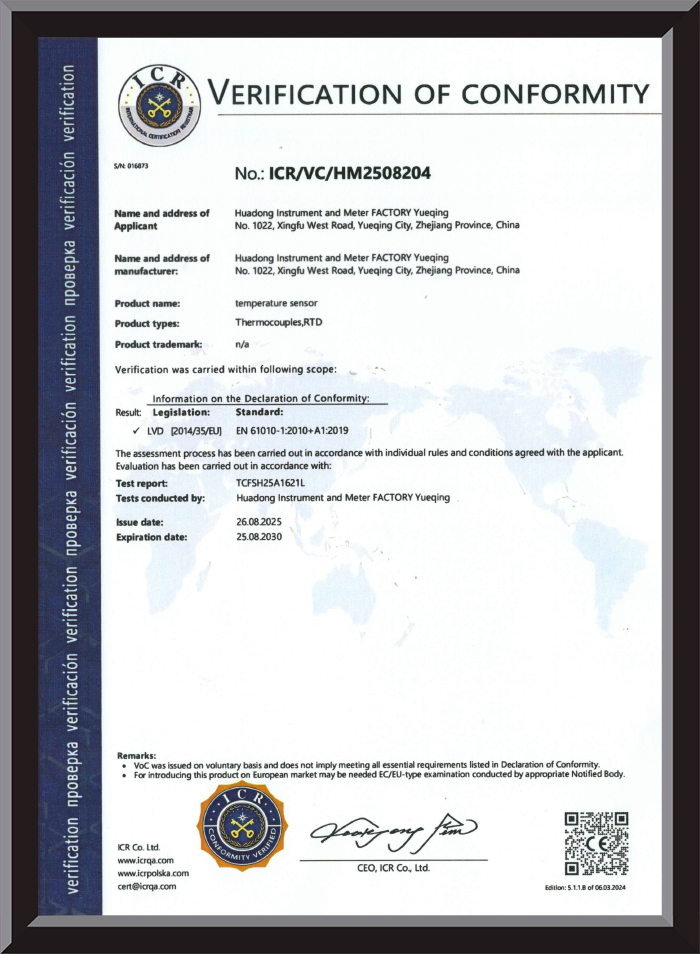
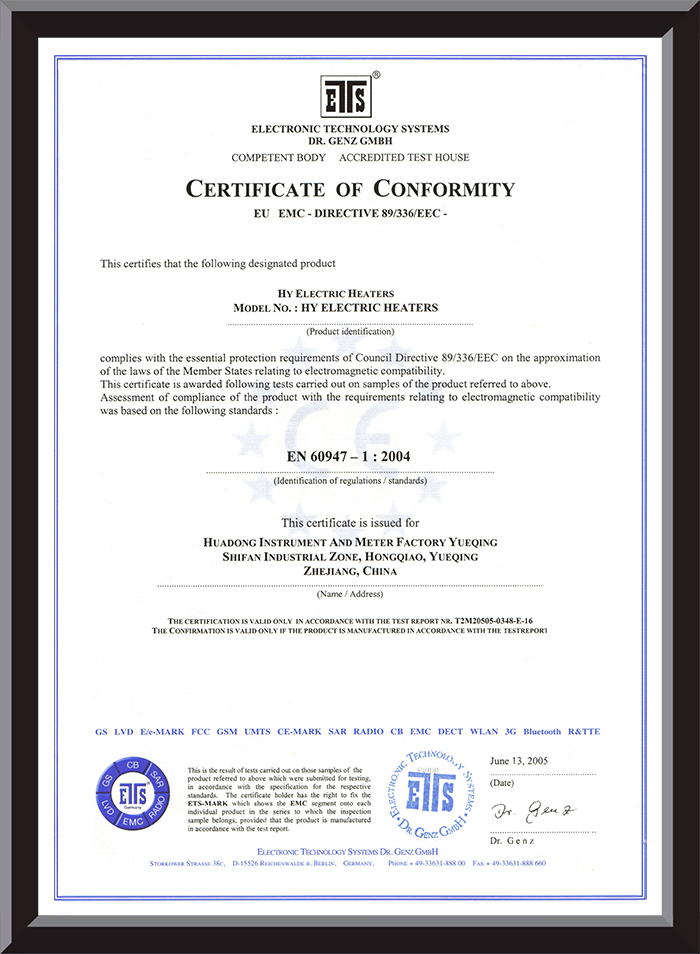
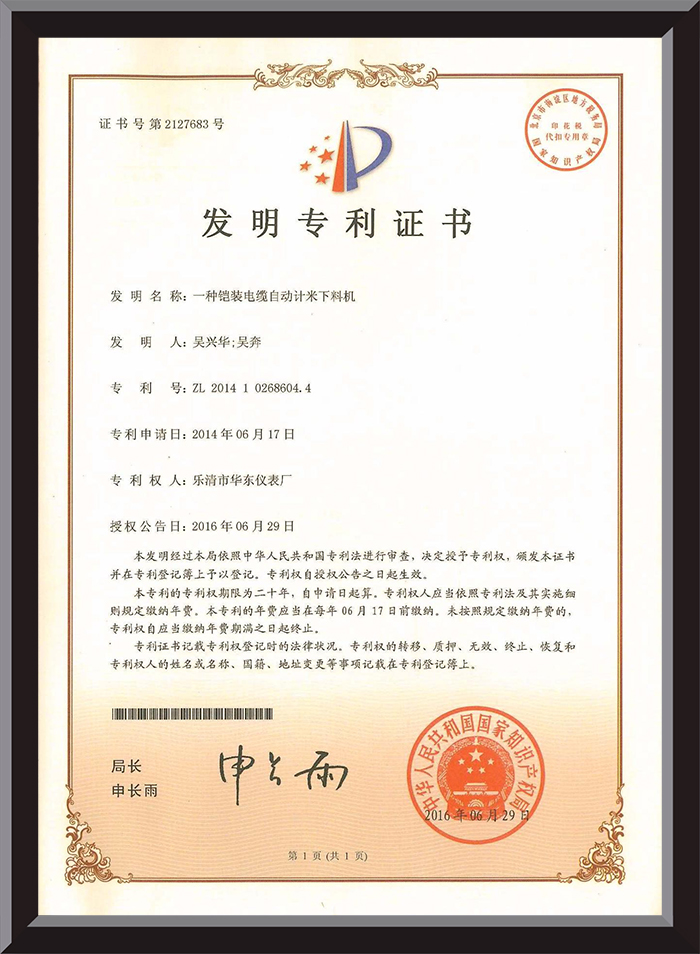
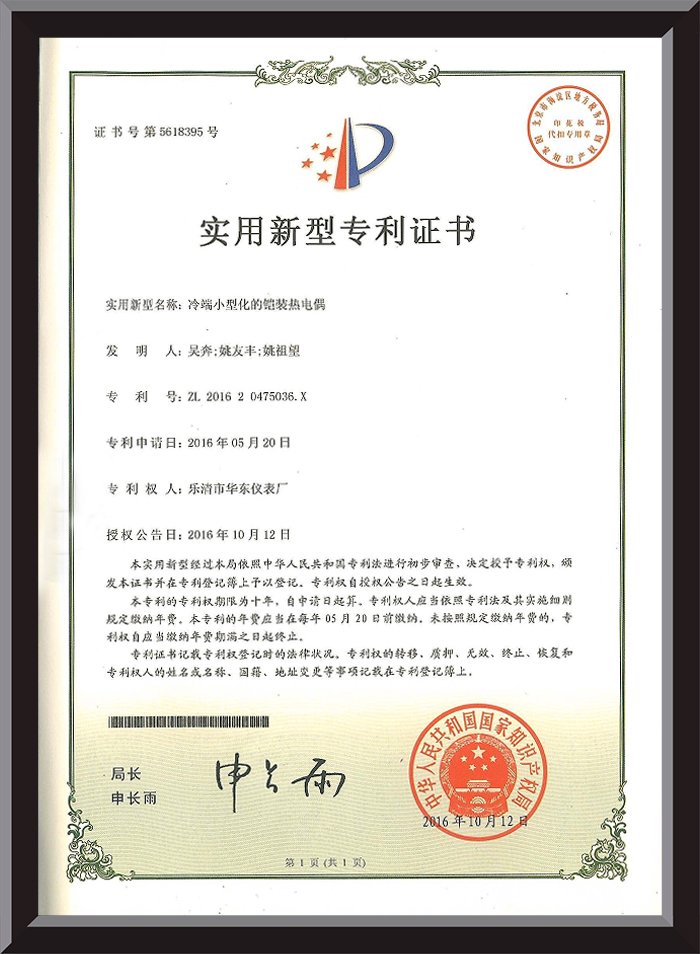
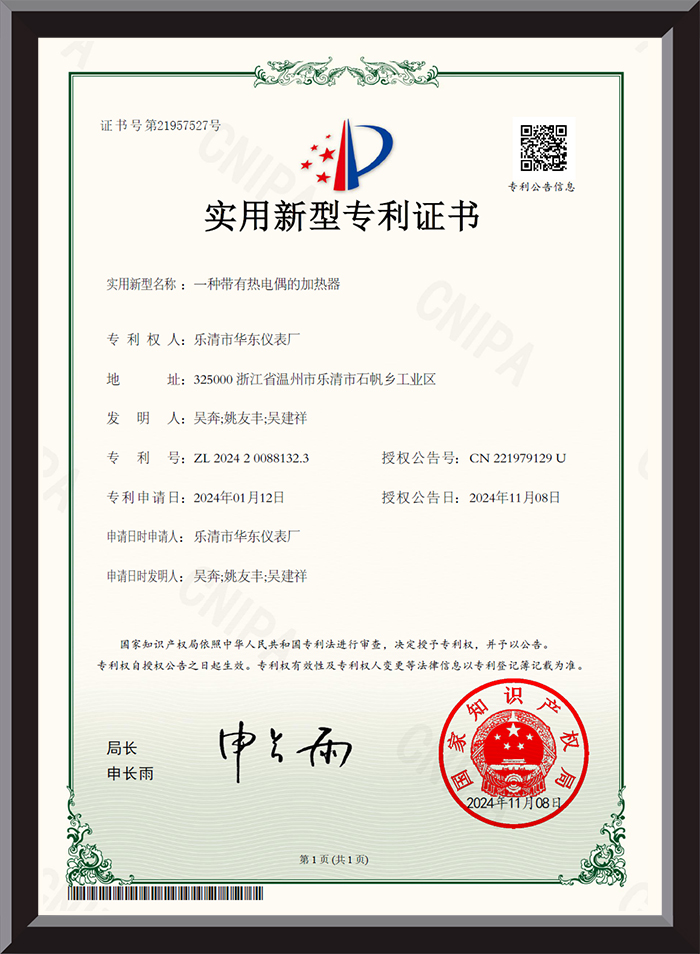
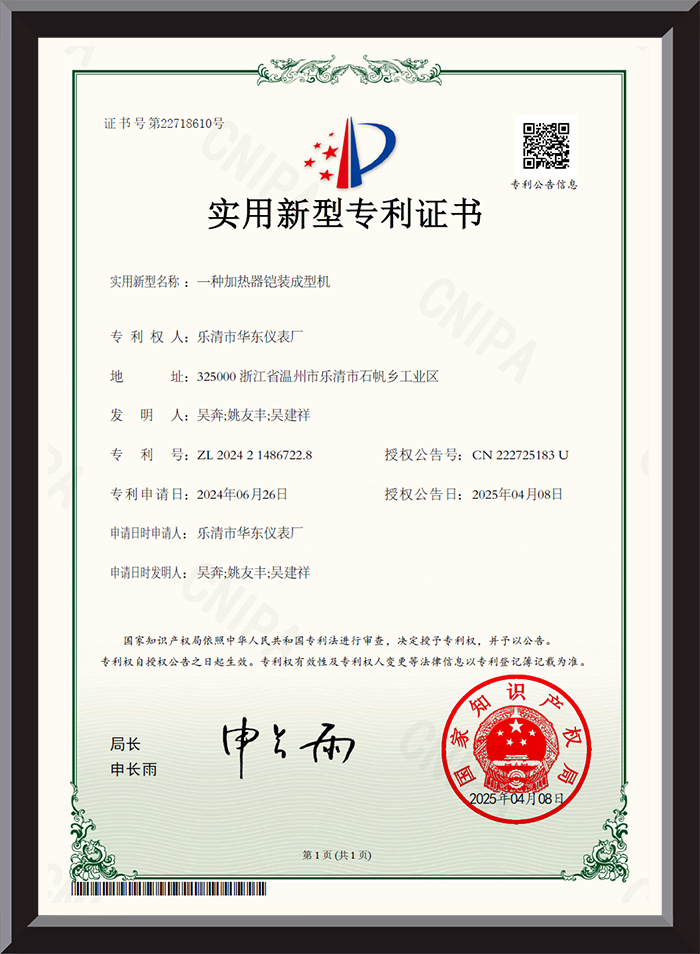
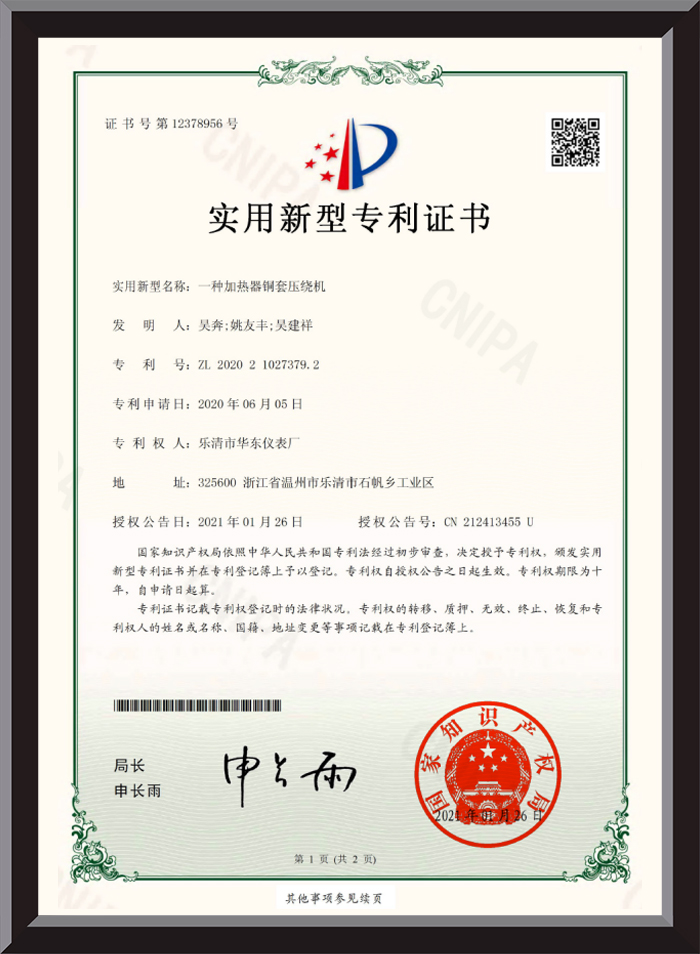
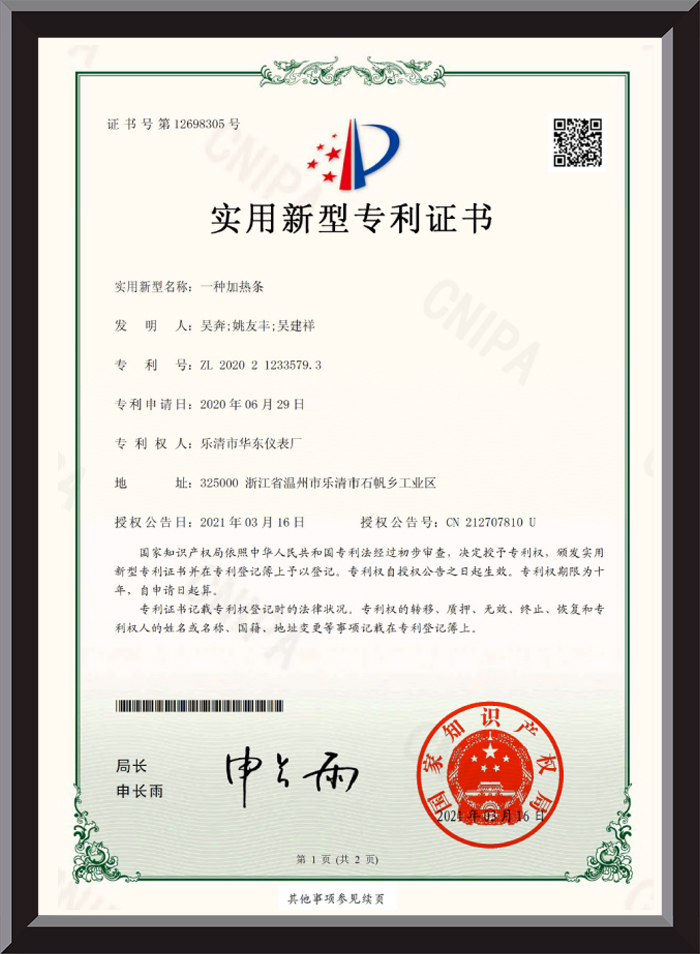
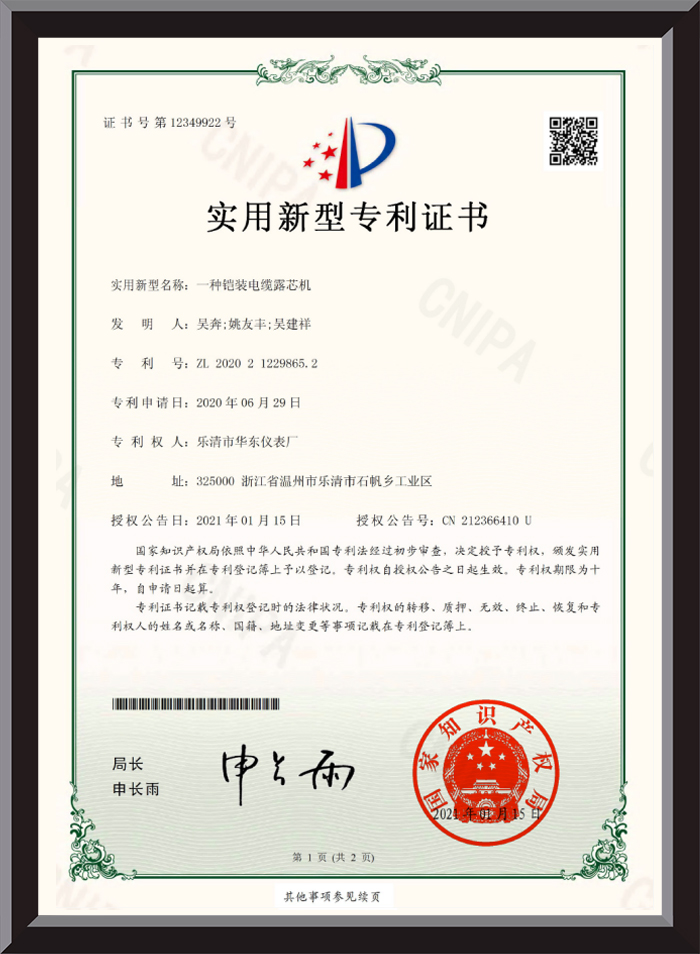
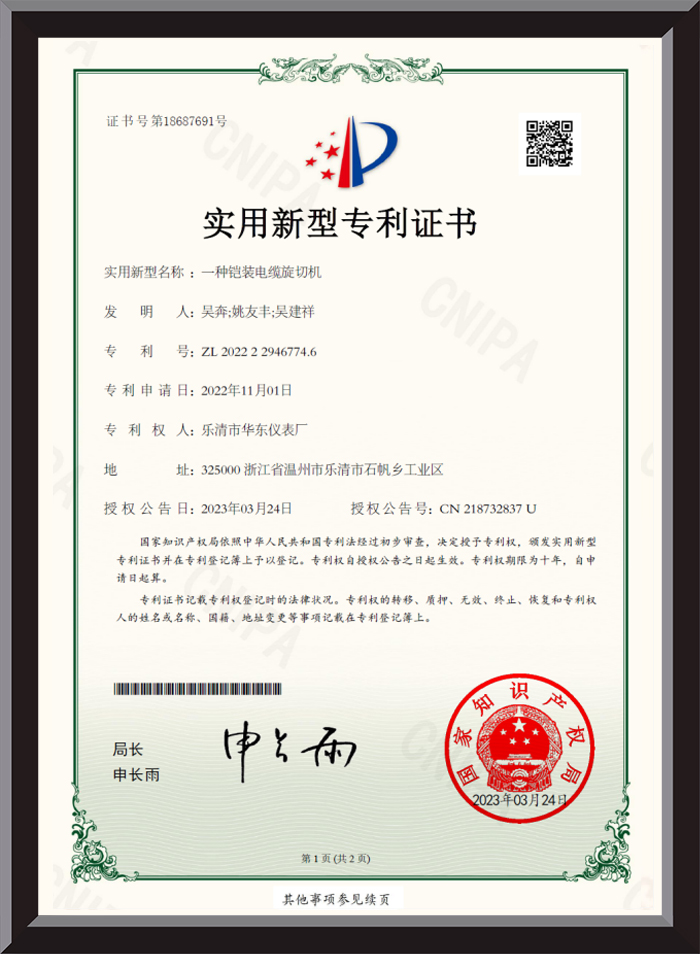
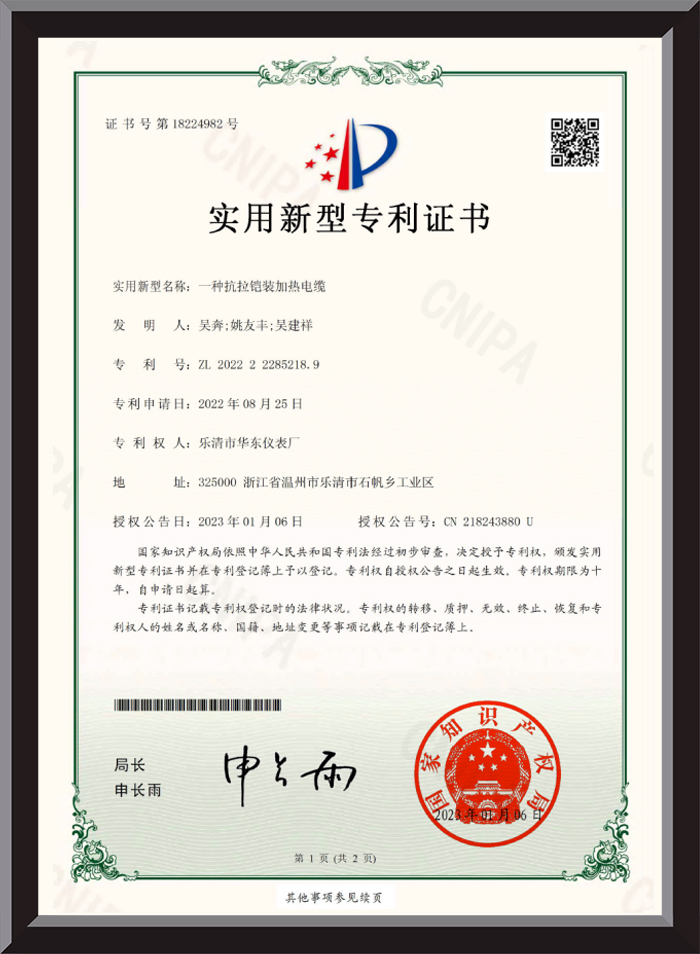
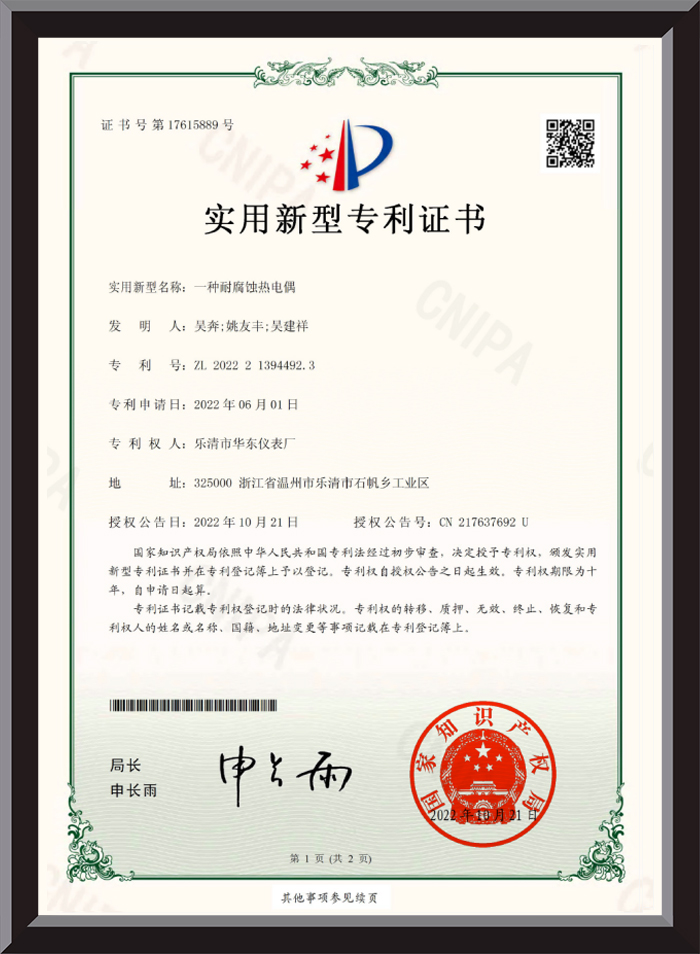
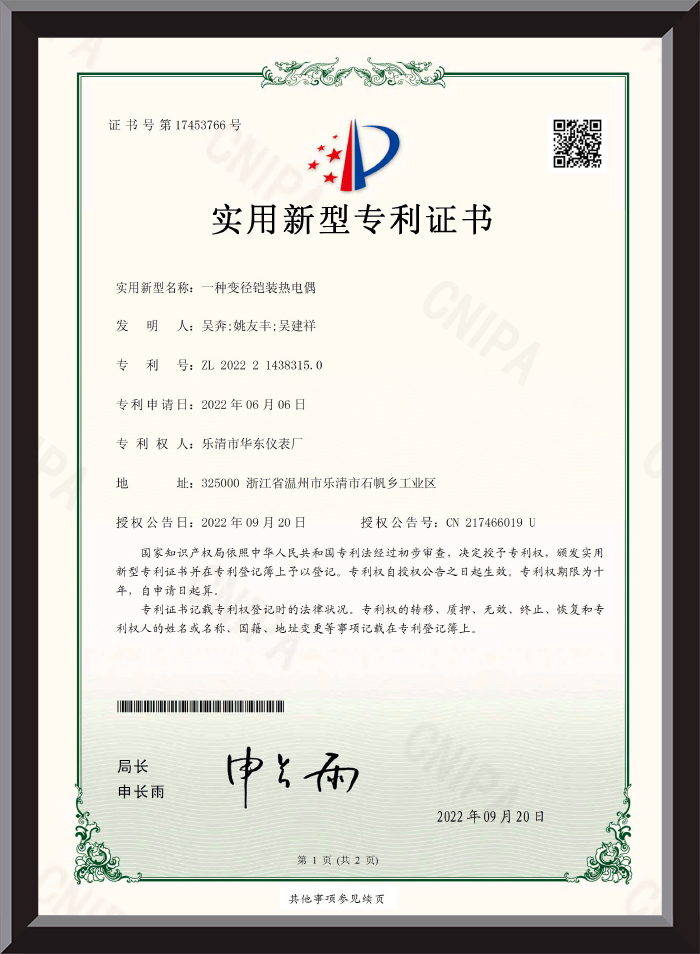
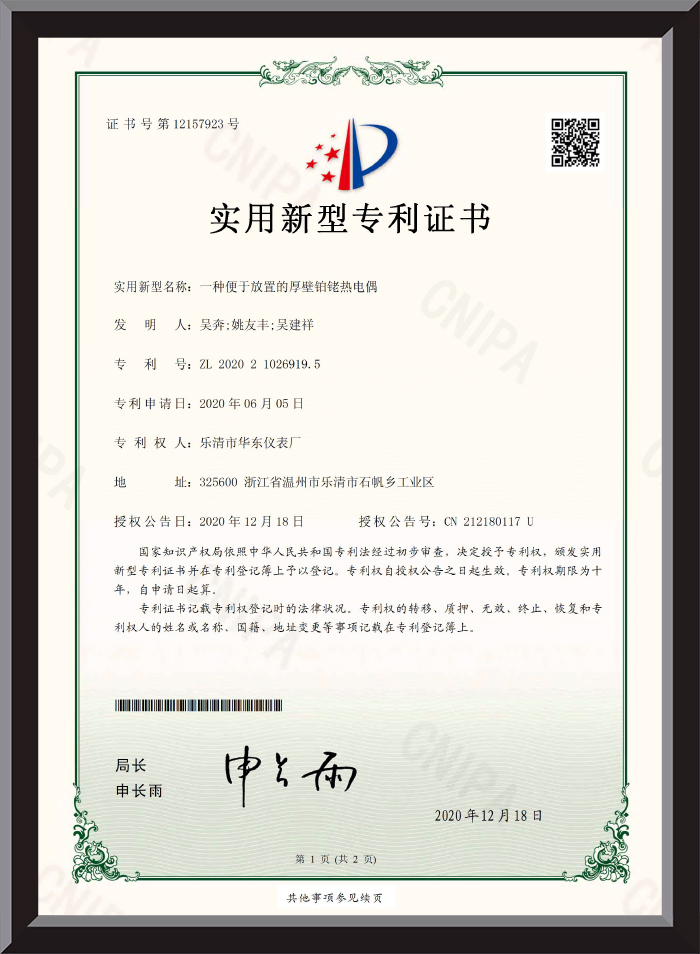
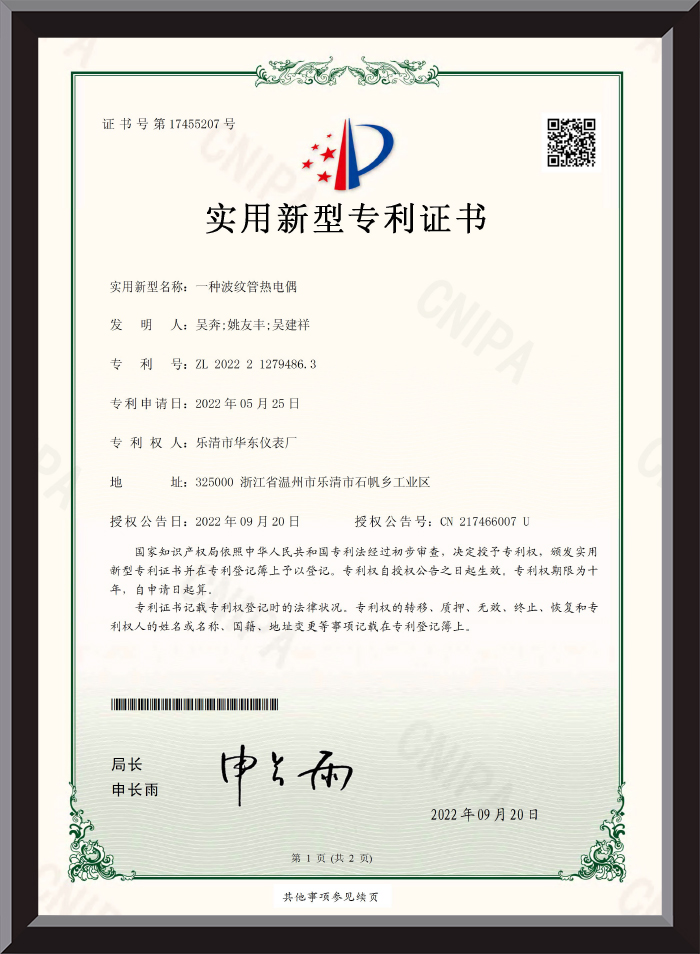
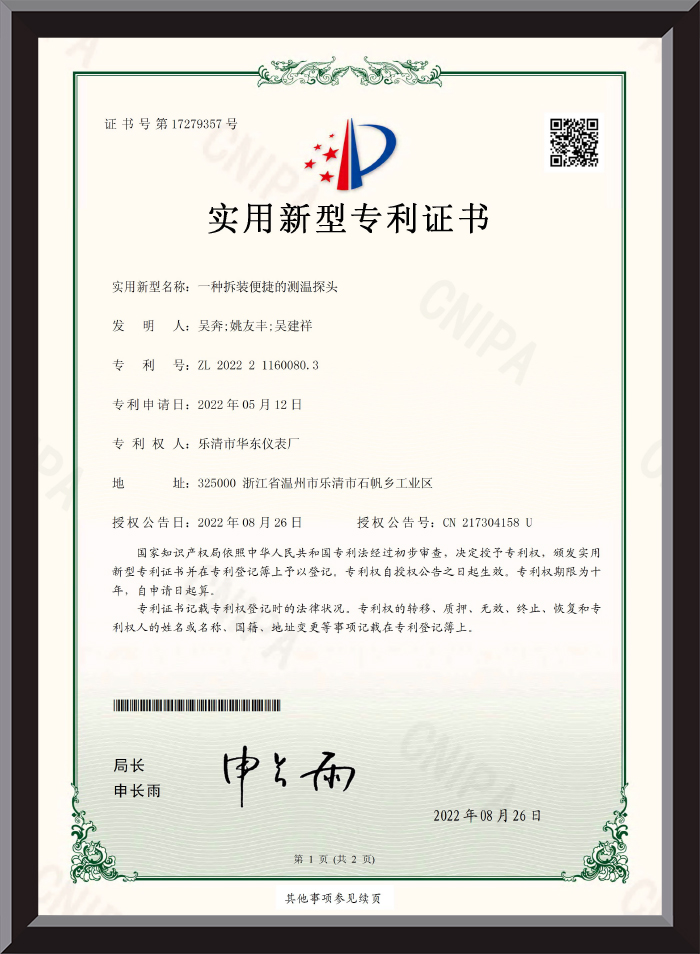
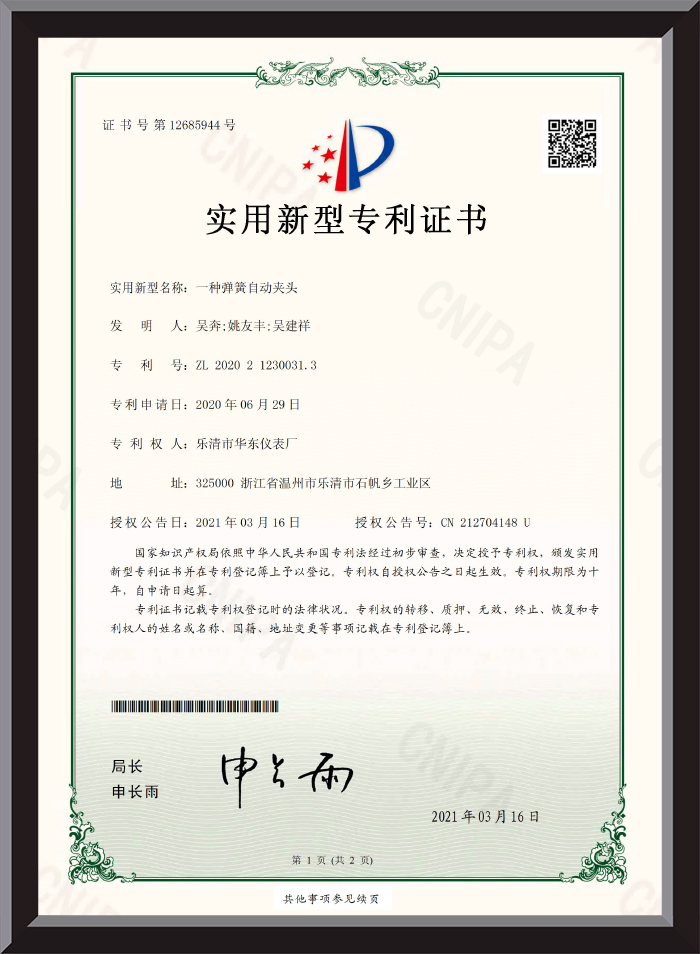
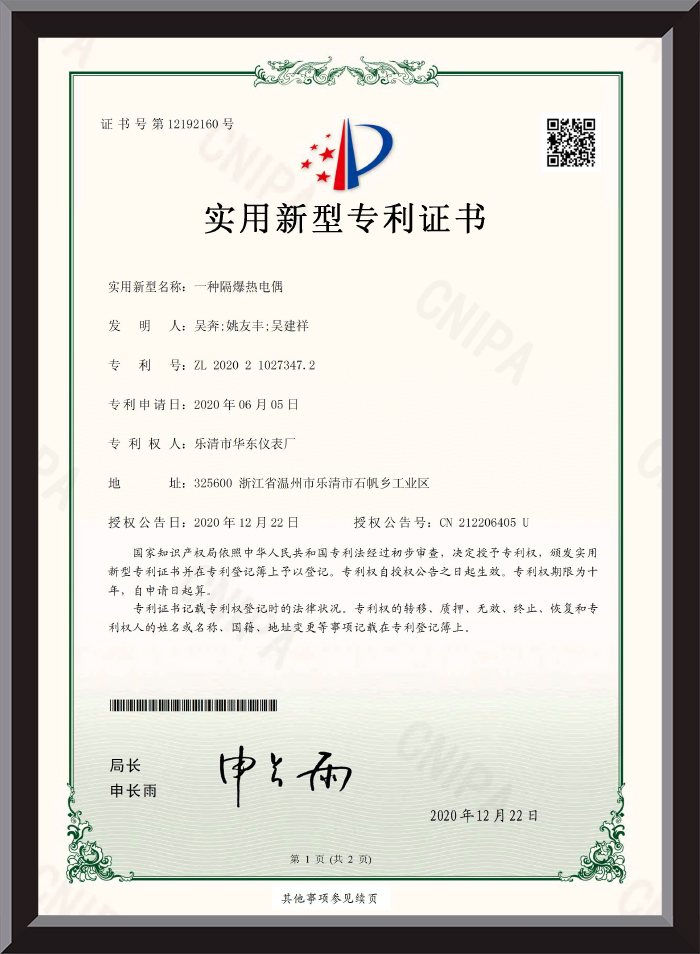
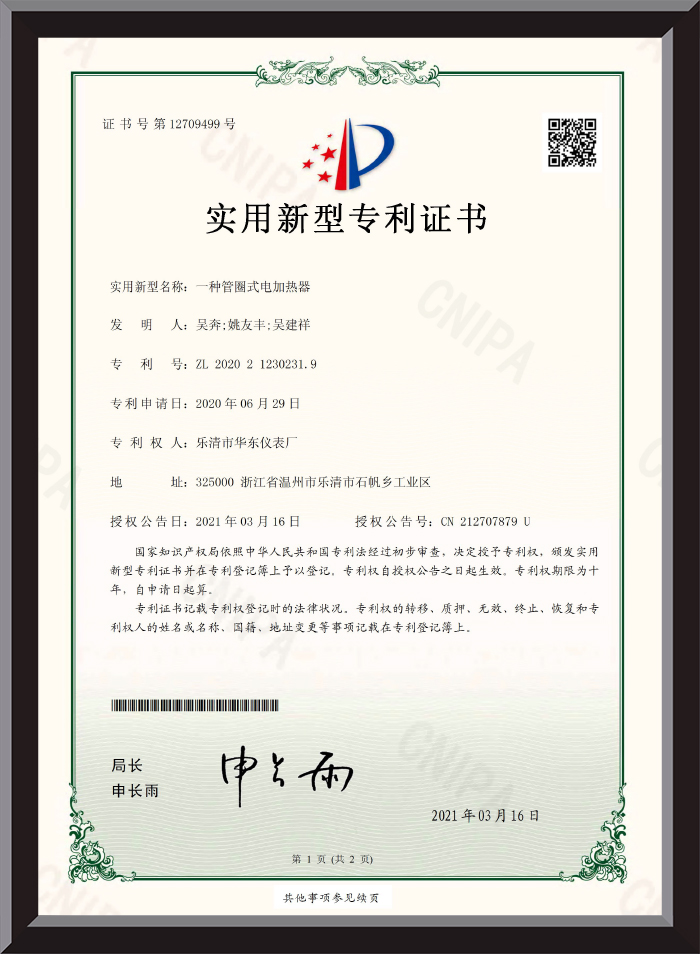
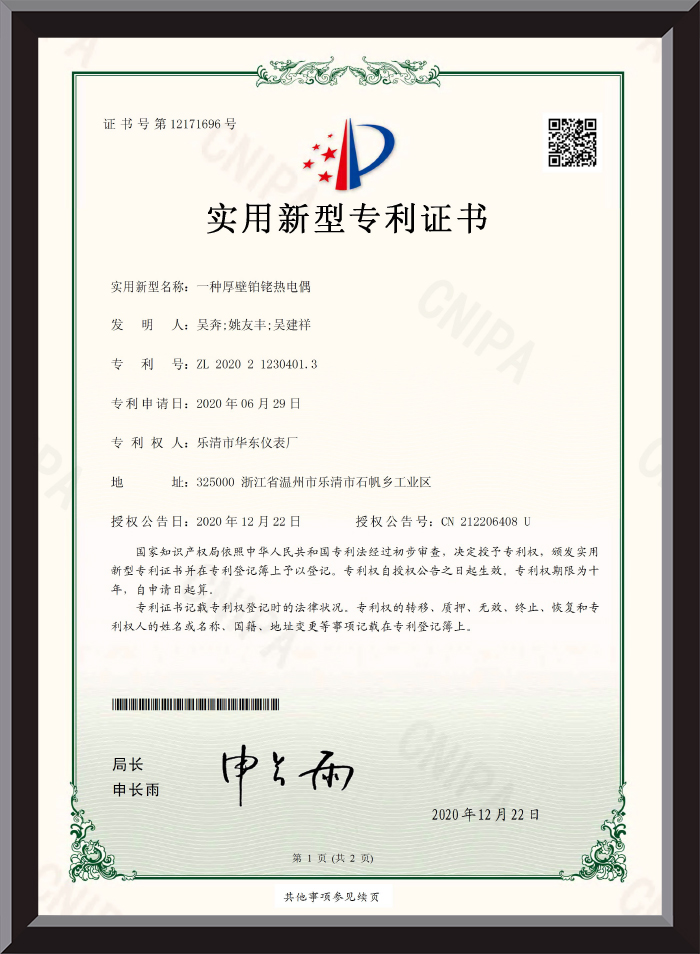
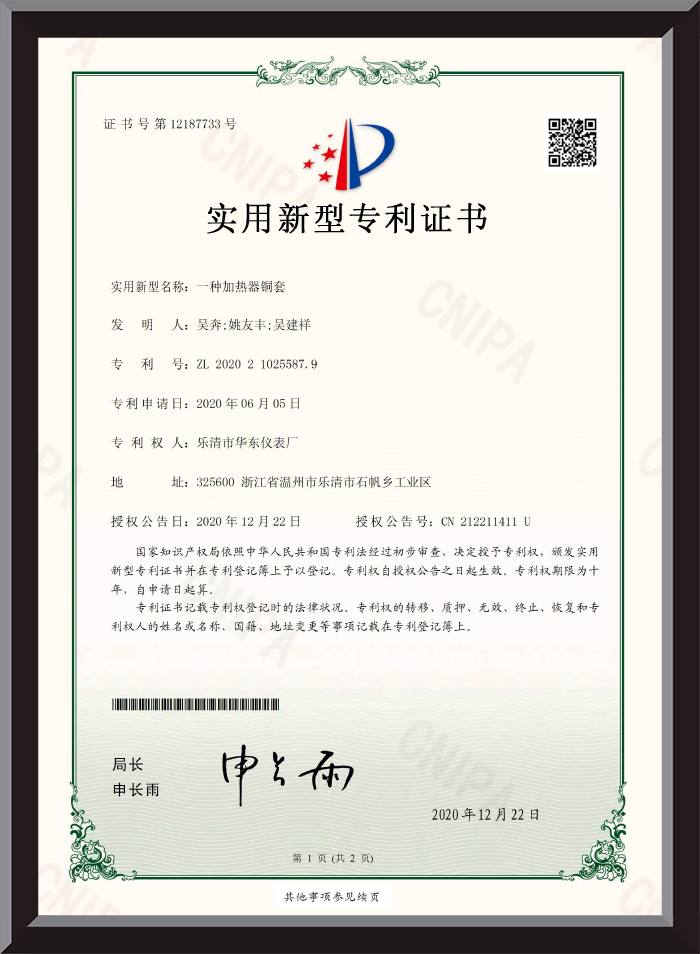
During the past decades, we have based on "pioneering and innovative, pragmatic and passionate work", adhered to the "integrity and win-win" business philosophy, to challenge themselves and innovate, take the road of specialization, independent intellectual property rights, access to nearly 30 China invention patents, utility model patent certificate of nearly, and enjoy the CE, ISO19001: 2015 international quality management system certification.
Huadong upholds "The customer is supreme, quality first" and provides better products to the world and the industry, to improve our quality, to improve our services, and to develop with our customers and industry. Our target is to create a united, cooperative, mutually beneficial enterprise and establish a bright future!
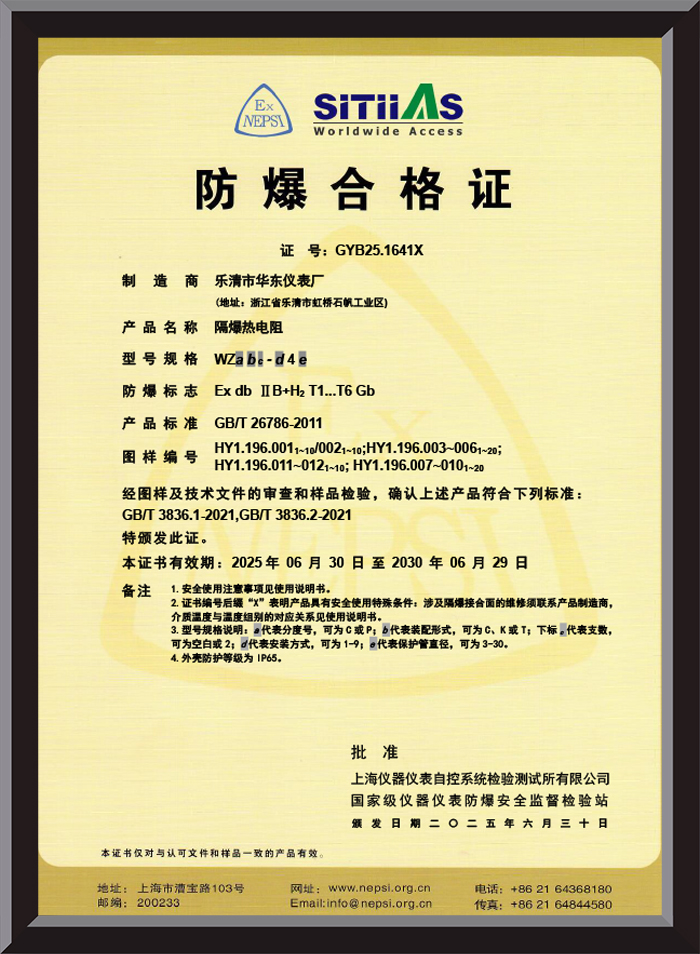
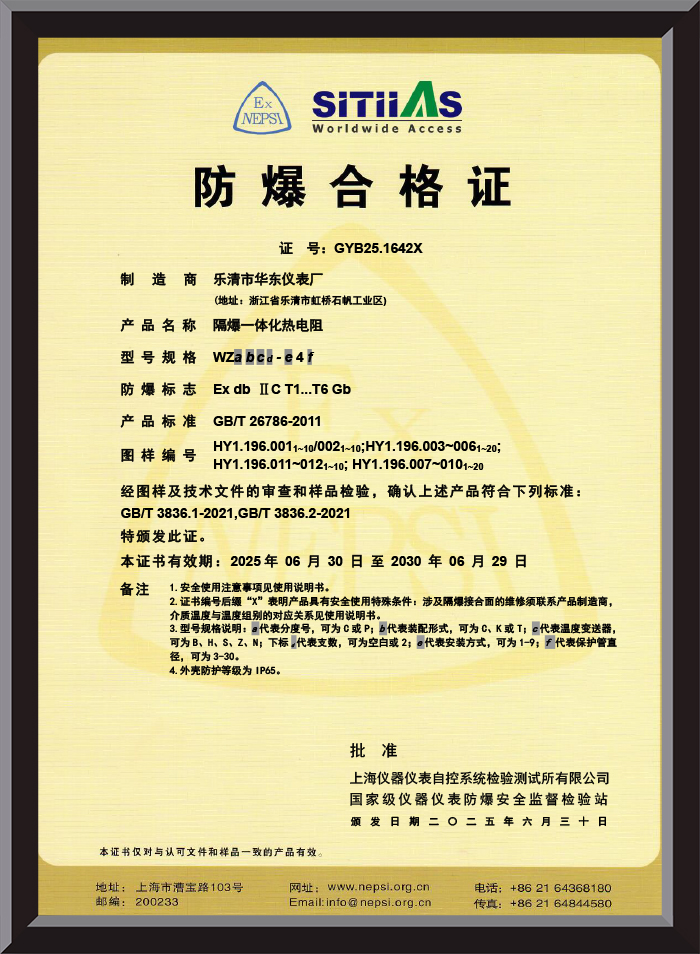
Certificate of Honor
Cable-type Thermocouples、RTDs Industry knowledge

Our factory mainly produces various series and specifications of temperature sensors, armored
thermocouple cables, hot runner mold electric heaters, armored heating cables, thermocouple compensation
wires (copper-coated), and special equipment for the temperature instrument industry.
-
 +86-0577-62312532
-
 ben@china-h.com
sales03@china-h.com -
 Hongqiao Shifan Industrial Zone, Yueqing City, Zhejiang, China
Let's Work Together
Copyright © Yueqing Huadong Instrument And Meter Factory
All Rights Reserved.
