English



Huadong: Established in 1986
Inquiry Us Now
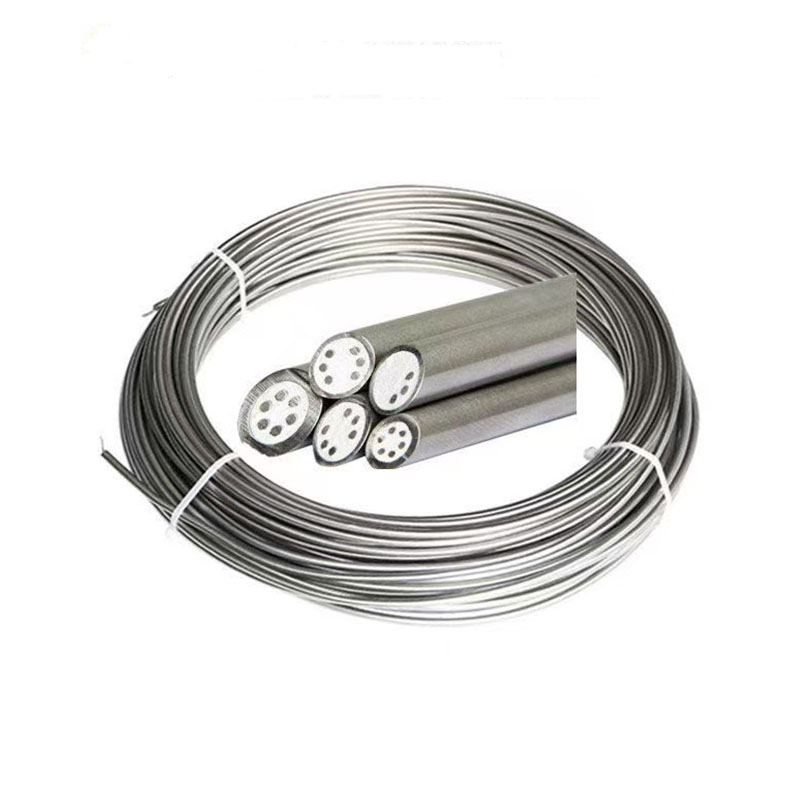
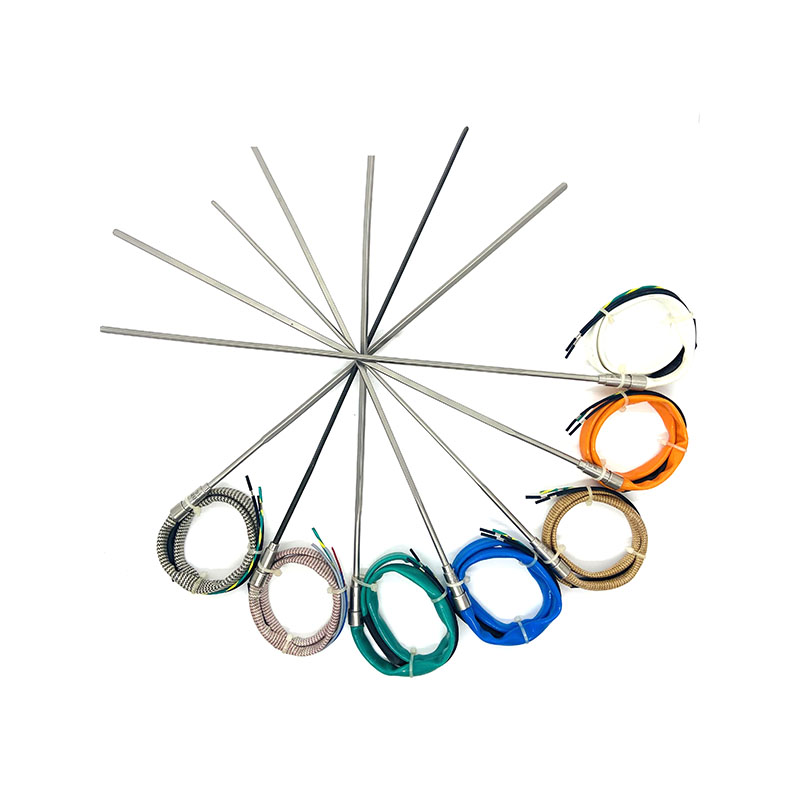
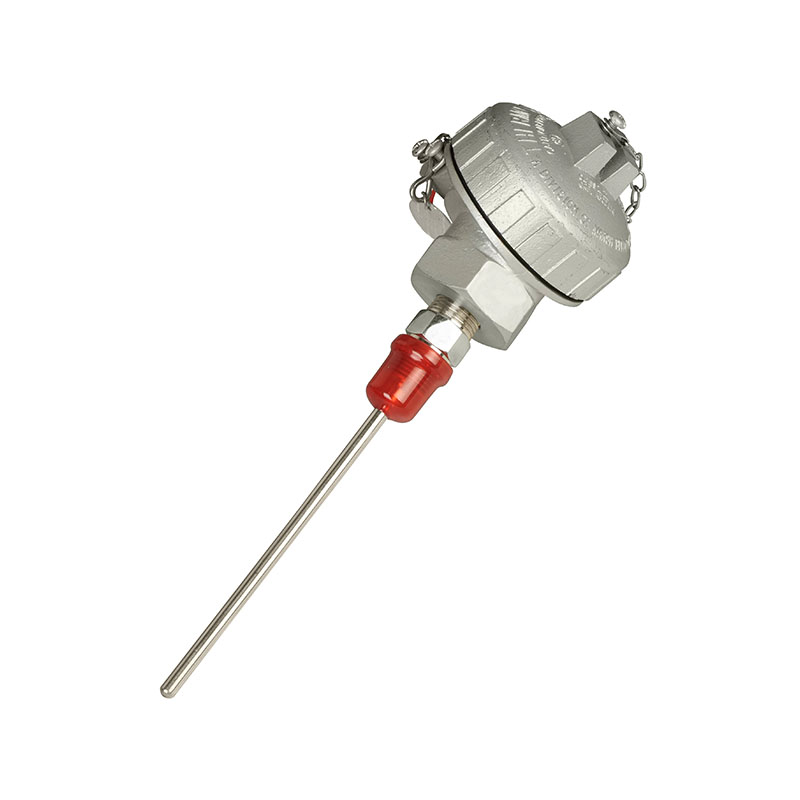
This mineral-insulated (MI) cable (for thermocouples or RTDs) utilizes an integrated mineral-insulation and sheathing process. Unlike standard assembled temperature-sensing cables, it combines flexibility, high-temperature resistance, ruggedness, high precision, and a maintenance-free design. It serves as a high-precision temperature-sensing substrate tailored for harsh industrial environments, offering a balance of stability and cost-effectiveness for the vast majority of industrial temperature-measurement applications.
Thermocouple cables: Feature two dissimilar alloy conductors (K, E, J, N, S, R, or B calibration types) in single or dual-element configurations. They cover an ultra-wide temperature range and are suitable for high-temperature operations.
RTD cables: Feature platinum (Pt100/Pt1000) or copper (Cu50) conductors, typically in 2-, 3-, 4-, or 6-core configurations. They offer excellent linearity, higher precision, and superior stability for low- to medium-temperature ranges, making them ideal for precision temperature measurement across low, ambient, and medium temperatures.
Key features include high-temperature resistance, stable insulation, rapid thermal conductivity, and resistance to vibration and displacement. Cable diameters and lengths are customizable. The integrated compacted-sheath construction ensures a void-free, secure, and moisture-resistant structure with stable insulation performance; once cut and sealed, the cable is ready for long-term use. Its flexibility allows for bending to fit complex or confined installation spaces, ensuring ease of installation and broad adaptability.
Primary applications for armored thermocouple cables: Thermal power generation, metallurgy and forging, chemical and petrochemical industries, and general manufacturing.
Primary applications for armored RTD cables: Chemical and light industries, HVAC and hydraulics, and new energy/automation sectors.